Emergency concrete repair service for same-week trip hazard fixes
⏱️ 7 min read · Last updated: 2026
When a slab settles and creates a trip hazard, an emergency concrete repair service can reduce injury risk fast and limit liability exposure. In 2026, the best response is usually polyurethane foam injection, because it can lift and stabilize the slab within hours and often returns the surface to foot traffic the same day. The key is to act quickly, choose the right method, and document the hazard immediately.
- 1–3 business days: Typical emergency response time for many polyurethane foam crews.
- 15–30%: Common same-week surcharge above standard pricing.
- 24–72 hours: Commonly cited window to act after written notice before liability exposure increases materially.
- 15 minutes: Time before a foam-lifted surface is walkable after the final injection.
- $30–$80: Typical cost of an ADA-compliant rubber threshold ramp for a temporary fix.
What actually counts as an emergency concrete situation
An emergency concrete repair service is justified when the slab creates an immediate injury risk or active liability exposure. A hairline crack in a back patio is not an emergency. A lifted slab edge or a settled walkway with vertical displacement is.
The three conditions that most reliably justify urgent action are below:
- A vertical displacement of half an inch or more on any surface where foot traffic occurs, including entrances, walkways, pool decks, and ramps.
- A settled slab that creates a drainage slope toward a foundation or basement entry, which can raise water-intrusion risk within 48 hours of a forecast rain event.
- A crack or void that has widened noticeably within the past 30 days, which suggests active soil movement rather than a stable defect.
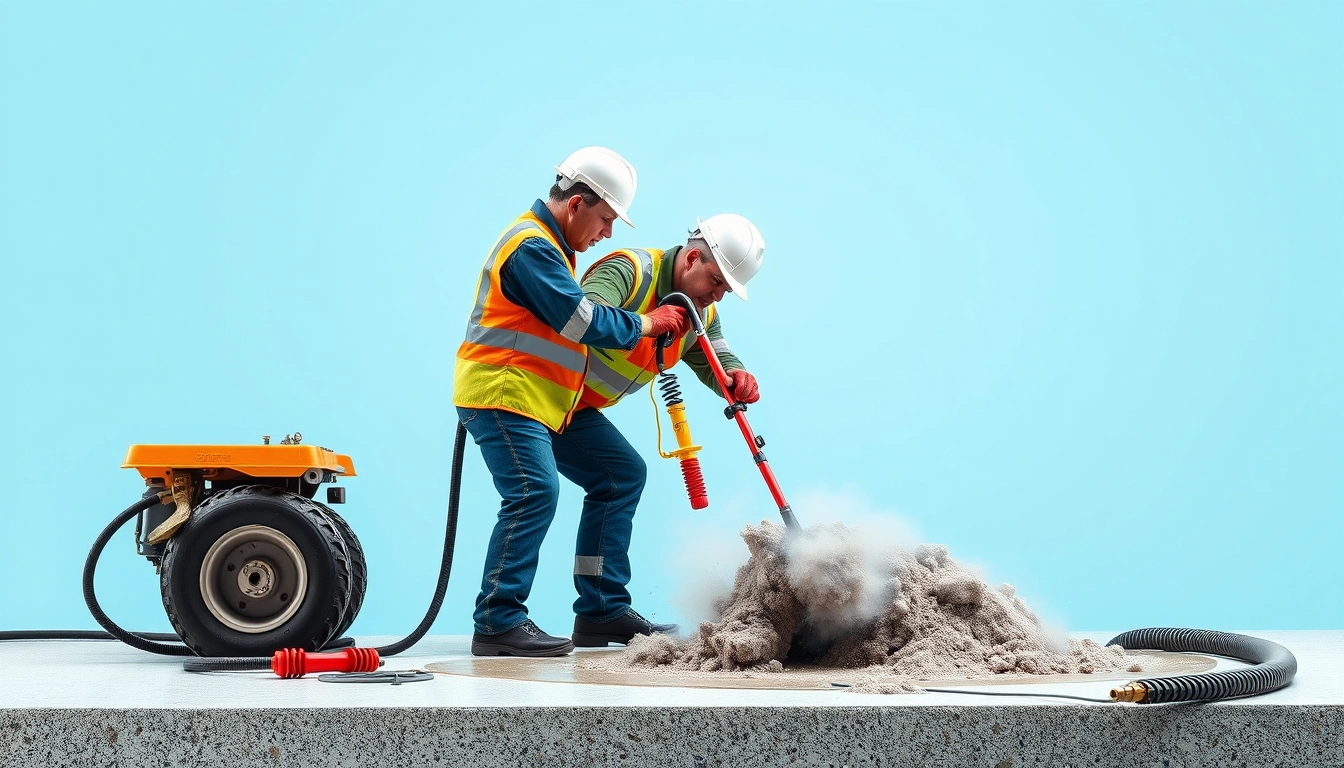
Who can fix a dangerous concrete trip hazard fast near me?
The fastest option is usually a contractor with a polyurethane foam injection rig, not a general concrete contractor and not a mudjacking crew. Foam specialists can often mobilize within 1 to 3 business days, while mudjacking crews usually need longer scheduling queues and a 24 to 48 hour wait before regular foot traffic resumes.
Ask these three questions right away:
- Do you have a foam injection rig, not a mudjacking pump?
- What is your earliest available slot for an urgent trip hazard?
- Is the lifted surface walkable the same day?
If the answer to the third question is no, you are likely speaking with a mudjacking crew or a full replacement contractor. Both are valid services, but they are not the best fit for same-week emergency concrete repair service when people still use the surface.
Regional foam lifting specialists often cover a wider area than their website suggests. Checking a provider’s concrete leveling service area coverage before calling can save time. Some crews based 45 minutes away will still dispatch for emergency jobs at no extra travel charge. You can also browse concrete leveling services near me to find foam specialists by location instead of general contractors.
How quickly can a settled slab be leveled in an emergency?
A settled slab can usually be lifted and stabilized with polyurethane foam injection within 1 to 3 hours on-site. The surface is often walkable within 15 minutes after the final injection. In most metro areas, the total timeline from first phone call to usable surface is usually 2 to 4 days, or 1 to 2 days if a foam crew has an open schedule.
| Stage | Typical timeframe | Notes |
|---|---|---|
| First call / quote | Same day | Most foam crews quote by photo for simple lifts |
| Scheduling slot | 1–3 business days | Emergency jobs sometimes jump the queue for a surcharge |
| On-site lift (foam) | 1–3 hours | Depends on number of slabs and degree of settlement |
| Surface ready for foot traffic | 15 minutes after lift | Foam cures fast; no waiting period needed |
| Surface ready for vehicle traffic | Same day (typically 2–4 hours post-lift) | Confirm with your specific contractor |
Mudjacking uses a cement-soil slurry and takes 24 to 48 hours before the slab is safe for regular foot traffic. That waiting period often decides the job. You can compare both approaches in this concrete leveling methods compared breakdown.
Polyurethane foam injection is the only slab-lifting method that returns a surface to full use the same day, which makes it the default choice for genuine emergency concrete repair situations in 2026.
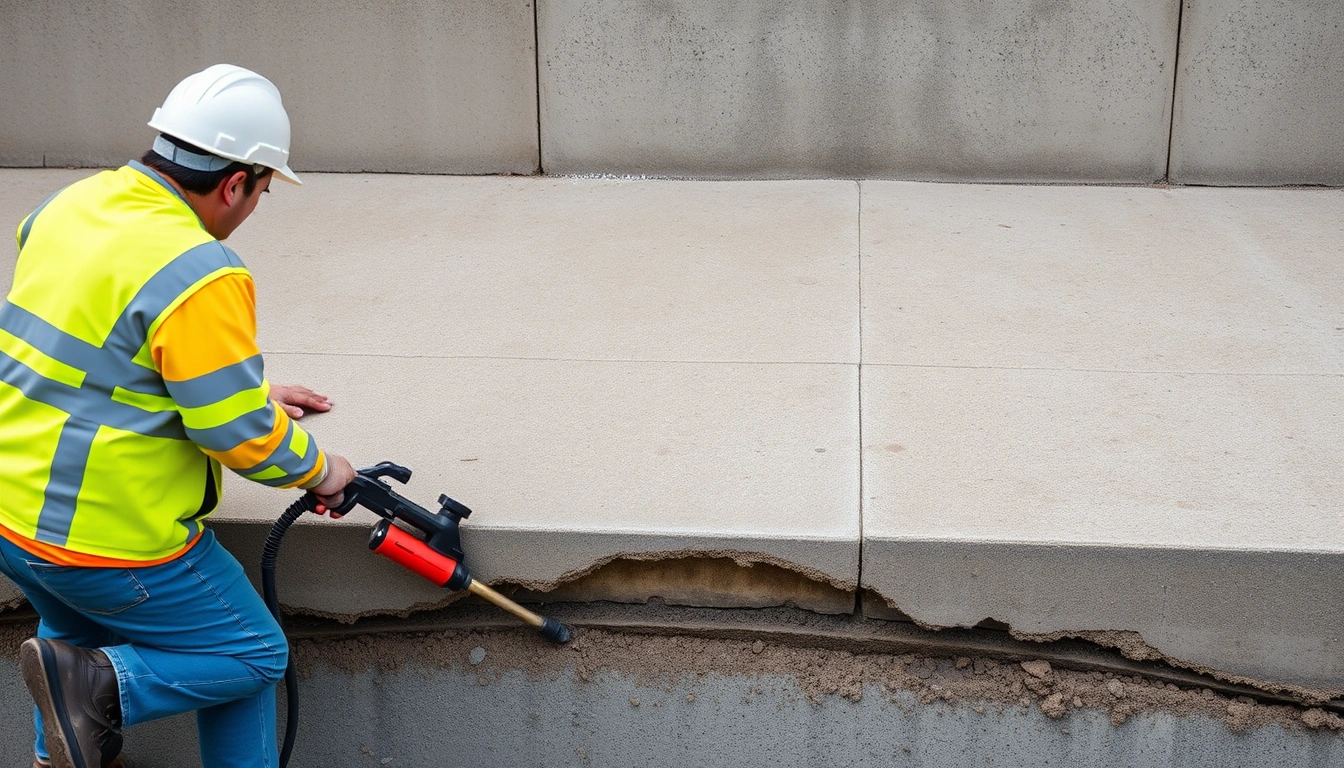
The liability window: what property owners get wrong
Liability does not start when someone falls. It starts when the hazard is documented. Once you receive written notice of a defect, the clock begins, and acting within 24 to 72 hours is a commonly cited way to show reasonable care.
Documentation does not require an official notice. A neighbor photographing the slab and texting you about it can show that you knew about the hazard, which may shift liability in many civil cases.
Act immediately after you identify the hazard. Write down the date, photograph the problem with a ruler for scale, and place a temporary barrier or ramp. That record helps prove you acted promptly, even if the repair crew cannot arrive for three days.
Temporary fixes that actually hold, and which ones waste time
Temporary fixes do not replace a fast repair, but they can reduce injury risk and show that you responded reasonably. For a trip hazard over half an inch, the best temporary options are below.
What actually works
- Rubber threshold ramps: ADA-compliant rubber ramps rated for outdoor use cost $30–$80 and can bridge vertical displacement up to 1.5 inches. They stay in place and are recognized as a reasonable accommodation in many premises liability situations.
- High-visibility hazard tape: It does not fix the problem, but it creates a visual barrier and shows you marked the hazard. Use a 3-inch width minimum and replace it daily if the weather is wet.
- Temporary concrete repair compound: Products like Quikrete’s Vinyl Concrete Patcher work for cracks under half an inch wide and small surface spalls. They do not work for vertical displacement.
What wastes your time
- Duct tape or standard painter’s tape over a raised edge, which peels off quickly and creates a new slip hazard.
- Pea gravel or sand fill in a void beneath a raised slab, which shifts and compresses unevenly.
- Spray foam insulation, like Great Stuff, which is not load-bearing and will collapse under foot traffic within days.
If you need a broader overview of leveling options, this guide to concrete leveling cost guide explains what drives pricing and how foam compares with mudjacking and replacement.
What emergency concrete repair costs in 2026
Emergency concrete repair service costs more than a scheduled job because a crew is rearranging its schedule and sometimes mobilizing equipment on short notice. The urgent premium is real, but the fastest fix is still often the most economical path to same-day resolution.
| Repair type | Standard cost (2026) | Emergency surcharge | Total typical range |
|---|---|---|---|
| Single slab foam lift (driveway or walkway) | $400–$900 | 15–30% or $75–$150 flat | $500–$1,170 |
| Multiple slabs / front walkway (3–5 panels) | $800–$1,800 | 15–30% | $920–$2,340 |
| Pool deck settlement (partial) | $1,200–$3,000 | 15–30% | $1,380–$3,900 |
| Temporary rubber ramp (DIY stopgap) | $30–$80 | None | $30–$80 |
For a region-by-region breakdown of foam pricing, mudjacking, and replacement, the concrete leveling cost guide is the best place to compare options. When you call for an emergency quote, ask whether the dispatch fee is waived if you proceed. Many foam crews charge $75–$150 to hold a same-week slot, then apply it to the invoice if you book.
How to vet a contractor when you have 48 hours to decide
You can move fast without hiring badly. In an emergency, the best contractor is the one who can explain the method, prove insurance, show recent local reviews, and define the scope in writing before the truck arrives.
Confirm the method before anything else
Ask whether they use polyurethane foam or mudjacking. If you need the surface usable within 24 hours, foam is the only workable answer. If someone says they do both, ask which method they recommend for your specific job and why.
Check their insurance certificates, not just their word
Request a certificate of general liability insurance showing a minimum of $1 million per occurrence. A legitimate contractor should send it quickly. If the crew damages property during a rushed repair, you need that coverage in writing before they start.
Look for local reviews within the past 12 months
Skip broad franchise testimonials. Check their Google Business Profile and filter for reviews from the past year. Focus on response time, whether the lift held, and whether the crew showed up when promised. Three recent reviews matter more than thirty older ones.
Get the scope of the lift in writing before they arrive
Reputable foam crews can quote from photos and measurements for standard jobs. Ask for a written scope that identifies the slabs, the target elevation, and what happens if the slab cannot be fully leveled. One email is enough if it is clear and saved before the crew loads the truck.
- Polyurethane foam injection is the only slab-lifting method that makes a surface walkable within 15 minutes, which is why it fits genuine emergency concrete repair service jobs.
- The liability window for a documented trip hazard is typically 24–72 hours, so document the hazard and place a barrier right away.
- Emergency same-week service commonly carries a 15–30% surcharge or a $75–$150 flat dispatch fee.
- A rubber threshold ramp costing $30–$80 is the most useful temporary fix for displacement over half an inch.
Common questions about emergency concrete repair service
What counts as an emergency concrete repair situation versus a routine one?
A vertical slab displacement of half an inch or more on an actively used walkway, entrance, ramp, or pool deck is an emergency because it creates injury risk and liability. A level crack, surface spall, or cosmetic chip without tripping risk is routine and does not justify emergency dispatch costs.
How do I temporarily secure a trip hazard before the crew arrives?
Photograph the hazard with a ruler next to the raised edge, record the date, place an ADA-compliant rubber threshold ramp over displacement of half an inch or more, add 3-inch hazard tape on the outer edges, and send yourself a time-stamped email. That creates a clear record that you responded promptly.
How fast can polyurethane foam lift a settled slab?
Polyurethane foam injection usually lifts and stabilizes a slab within 1 to 3 hours on-site. The surface is often walkable within 15 minutes after the final injection, and vehicle traffic is typically possible the same day, depending on the contractor.
Why is mudjacking not ideal for same-week emergency repairs?
Mudjacking uses a cement-soil slurry and usually requires 24 to 48 hours before the slab is safe for regular foot traffic. That waiting period makes it a weaker choice when people still need to use the surface quickly.
What should I ask a contractor before I book an emergency visit?
Ask whether they use polyurethane foam or mudjacking, whether they are insured for at least $1 million per occurrence, whether they have recent local reviews from the past 12 months, and whether the lift scope will be confirmed in writing before arrival.
What is the most cost-effective temporary fix while I wait for repair?
An ADA-compliant rubber threshold ramp costing $30–$80 is the best temporary fix for displacement over half an inch. It is more stable than tape, gravel, sand, or spray foam, and it helps reduce immediate trip risk.
See also: concrete leveling services near me
See also: concrete leveling service area coverage
See also: concrete leveling method statistics