Concrete leveling services near me: 2026 prices, permits, and hiring tips
⏱️ 14 min read · Last updated: 2026
Need concrete leveling services near me? The right contractor can lift a sunken slab, reduce trip hazards, restore drainage, and help the repair last without full replacement. In this guide, you’ll learn how local concrete leveling works, what it costs in 2026, when permits or ADA rules matter, and how to hire a contractor who can fix the problem the right way.
Source: www.ibisworld.com
- $1,230: The 2026 national average mudjacking cost per project, with most jobs running $661–$1,868.
- 25–50 miles: The typical service area radius for local concrete leveling contractors.
- 1–2 business days: The usual window for a free estimate from most local crews.
- 15 minutes: The cure time for polyurethane foam injection, compared with 24–48 hours for mudjacking.
- 47%: The share of owner-occupied U.S. homes built before 1980, which helps explain rising slab repair demand.
The crack ran from the garage apron to the mailbox post. By the end of a hard winter, it was wide enough to catch a shoe, and one slab panel sat nearly two inches higher than the other. That is a trip hazard, and in some places it is also a code issue. When you search for concrete leveling services near me, you usually need a fast local answer, not a long construction project.
Knowing what to expect before you call helps you compare estimates and avoid repairs that fail early. The details matter because the method, soil, climate, permit rules, and contractor experience all affect the result. A good local repair can solve the problem for years, while a weak one can send you back to square one.
This guide explains the core questions homeowners ask before hiring concrete leveling services near me and shows how to choose the right fix with less guesswork.
Who does concrete leveling near me and how fast can they come?
Most local concrete leveling contractors work within a 25–50 mile service area radius. Many can give you a free estimate within one to two business days, and same-week scheduling is common when weather cooperates and materials are available. From there, the type of contractor you hire can shape both the price and the quality of the repair.
Three kinds of contractors usually offer this work. Some are dedicated foundation and slab specialists. Some are general concrete contractors who include leveling among other services. Others are licensed concrete contractor franchises, such as Concrete Raising Systems or PolyLevel operators, with local crews and standard methods. Each type has trade-offs. Specialists often have the best equipment and the most experience with settlement diagnosis. General contractors may charge less, but you should check how often they actually perform leveling work. Franchise operators can offer consistency, which helps when you compare quotes and methods. If you want a clearer comparison before you call, the concrete leveling methods compared guide explains the major differences.
If your situation is urgent, some contractors offer priority scheduling in 24–48 hours. That may apply to a commercial trip hazard or a slab that is draining water toward a foundation. Expect to pay a 10–20% premium for faster service.
Most service areas include the main city plus nearby suburbs and smaller towns. A contractor in Columbus, Ohio, may also serve Dublin, Westerville, Grove City, and Pickerington without a travel fee. Trips beyond 50 miles often add a mobilization charge, so ask before the estimate visit.
What concrete leveling services near me actually cost in 2026
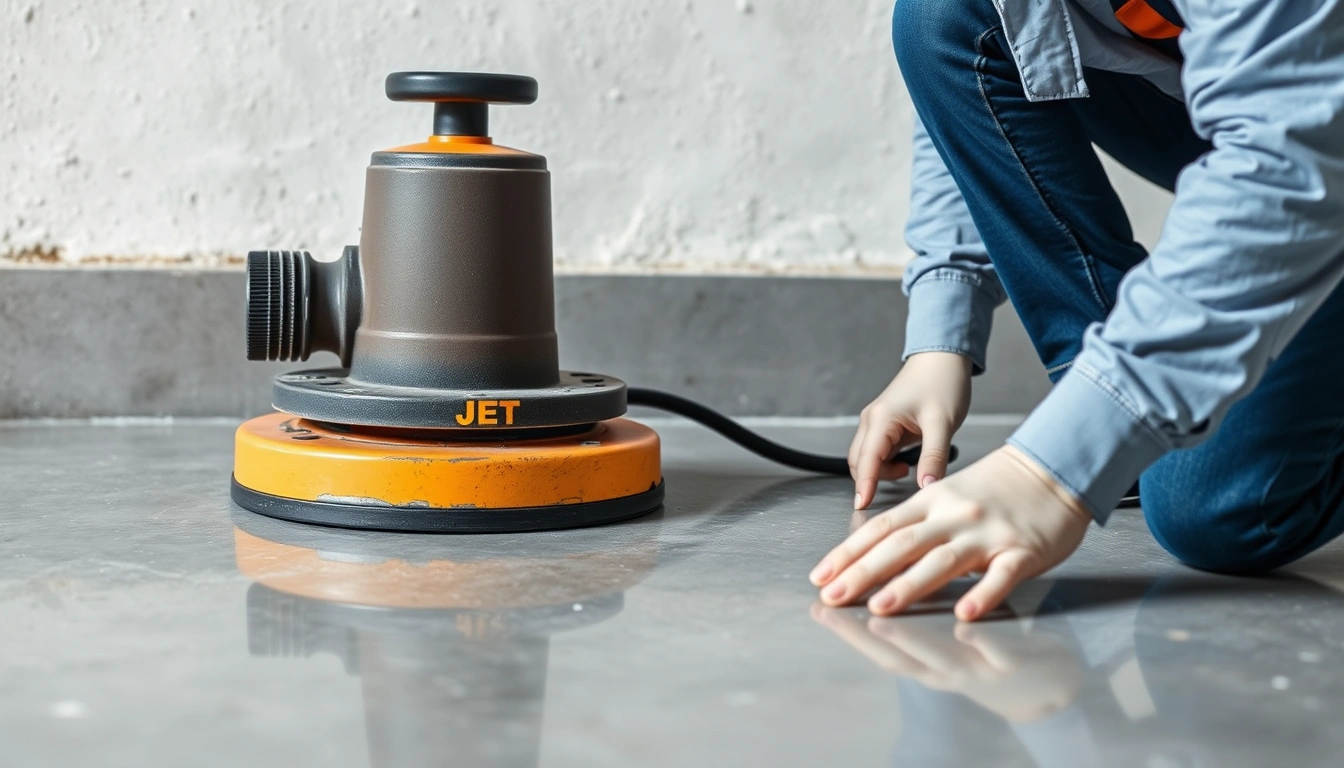
Concrete leveling services near me usually cost less than replacement, but the price still surprises many homeowners. Mudjacking averages $1,230 per project nationally in 2026. Most jobs fall between $661 and $1,868, and contractors commonly charge $3–$8 per square foot, according to Angi’s 2026 cost data. Polyurethane foam injection costs more, usually $5–$25 per square foot. It cures in about 15 minutes, compared with 24–48 hours for mudjacking. It also adds less weight to the subgrade, which helps on problem soils. For a more complete method comparison, the concrete leveling methods compared guide covers both approaches in detail.
| Service type | Typical price range (2026) | Cure time | Best for |
|---|---|---|---|
| Mudjacking | $3–$8 per sq ft / $661–$1,868 avg project | 24–48 hours | Driveways, large slabs, stable soil |
| Polyurethane foam injection | $5–$25 per sq ft | 15–30 minutes | Patios, pool decks, void-fill, clay soil |
| Self-leveling concrete overlay | $2–$5 per sq ft (materials + labor) | 4–24 hours | Interior floors, minor surface correction |
| Full slab replacement | $6–$16 per sq ft | 7–28 days (cure) | Severely cracked or structurally compromised slabs |
Even small concrete leveling services near me rarely come in under four figures. According to Per U.S. Bureau of Labor Statistics May 2025 wage data, construction laborers and concrete finishers earn $23–$30 per hour nationally, and specialty crews with foam rigs or mudjacking equipment bill at two to three times that rate once equipment costs are included.
If you’re deciding between repair and replacement, the concrete leveling vs replacement decision comes down to cracking pattern, slab thickness, and whether a void exists beneath the slab. For many residential slabs in good structural shape, leveling is the lower-cost option.
Why soil and climate change the result
Soil and climate determine whether concrete leveling services near me will hold up or fail early. The wrong method can look fine at first and still break down later. That is why a local contractor should ask about the ground under the slab before recommending a fix.
Clay soil: the most common culprit
Expansive clay soils are common across the Midwest, the Southeast, and much of Texas. They shrink when dry and swell when wet. That movement creates voids beneath slabs and pushes them out of alignment. Mudjacking adds weight to clay-heavy subgrade, which can worsen the problem. Polyurethane foam injection is usually the better choice because it is lightweight, waterproof, and less likely to add to drainage trouble. Cities such as Houston, Dallas, Kansas City, and Memphis sit on especially difficult clay soils, so any contractor in those markets should explain how seasonal movement affects the repair.
Sandy or loamy soil: where mudjacking earns its keep
In coastal areas, river valleys, and places with well-draining sandy loam, mudjacking performs well. The repair is often more predictable there because the soil drains better and the slab is less likely to keep moving after the lift. These regions often land near the lower end of the $3–$8 per square foot range. Material use is easier to estimate, and the soil is less likely to fight the repair.
Freeze-thaw cycles: the silent multiplier
Northern states such as Minnesota, Wisconsin, Michigan, upstate New York, and most of New England face another problem: freeze-thaw cycles. Water gets under the slab, freezes, expands, and lifts the concrete. When it thaws, the slab drops again, but not always to the same place. That cycle repeats year after year. After five winters, a small shift can become a serious trip hazard. Timing matters just as much as method. If you live in a cold climate, the concrete leveling for freeze-thaw climate guide gives a deeper look at cold-weather repair planning.
The median age of owner-occupied homes in the United States climbed to 42 years in 2024, up from 31 years in 2005, per NAHB’s analysis of the 2024 American Community Survey.
How do I find a reputable local slab lifting company?
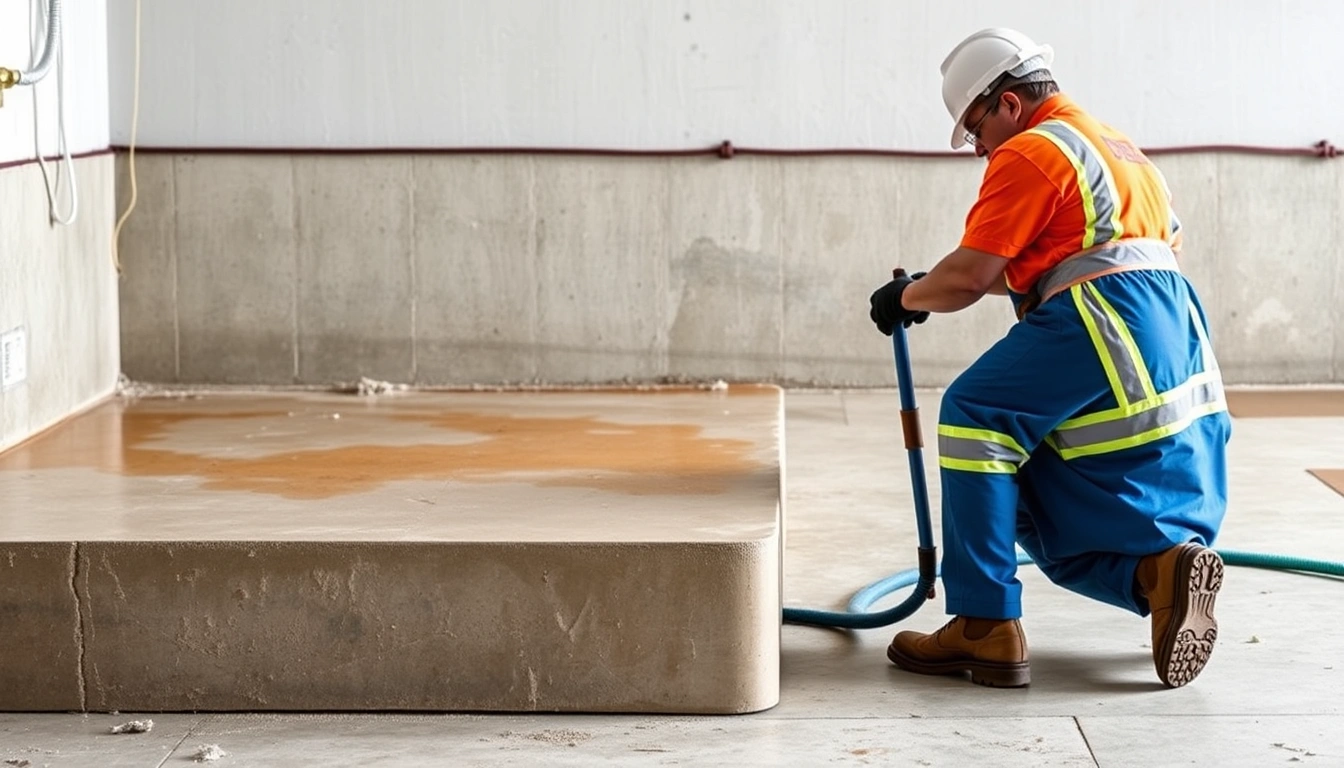
After you understand soil and cost, the next step is choosing the right contractor. A reputable local slab lifting company should have state licensing, general liability insurance of at least $1 million per occurrence, and a written free estimate before work begins. Those are the minimum standards. If a contractor cannot show them, keep looking.
Start with the license. Every state has an online contractor lookup. Search “[your state] contractor license lookup” and verify that the license is active. Then ask for an insurance certificate that lists general liability and workers’ compensation. If a worker gets hurt and the contractor lacks workers’ comp, that liability can fall on you.
Method knowledge matters too. A good contractor should explain why they recommend mudjacking or polyurethane foam injection for your slab. They should refer to the soil, the age of the concrete, and the cause of settlement. If the answer is vague, they are guessing. Reviews help, but focus on patterns. Complaints about callbacks, sinking again, or repeated visits are more useful than generic star ratings. A written warranty also matters. Many local slab lifting companies offer 1–5 year warranties. Some foam contractors offer lifetime material warranties. Get the warranty in writing.
Here is a quick vetting list for concrete leveling services near me:
- Verify the license: Use the state lookup tool and confirm the license is current.
- Check insurance: Ask for proof of general liability and workers’ compensation.
- Demand method-specific answers: The contractor should explain why a method fits your slab.
- Read reviews for callbacks: Repeated failure complaints matter more than praise.
- Get the warranty in writing: Ask for the exact terms before work starts.
For a deeper walkthrough of how to hire a concrete leveling contractor, including estimate-day questions, that guide covers the process step by step.
Red flags: quotes that should worry you
A quote can reveal a lot about a contractor. When you search for concrete leveling services near me for the first time, it is easy to compare only the bottom line. That can be a mistake. Certain quote patterns often point to trouble.
The suspiciously low quote
If one quote lands at $300–$400 and the others are around $900–$1,200, pause. The scope may be wrong, the materials may be weak, or the crew may be uninsured. Concrete leveling has real labor and material costs. Even before equipment and overhead, a two-person crew for two hours runs $180–$240 in labor alone, based on BLS wage data. A bid that ignores that reality is usually a bad sign.
No mention of the cause of settlement
A serious contractor asks why the slab sank. Common causes include poor original compaction, drainage erosion, root intrusion, and soil shrinkage. If the cause is ignored, the slab can settle again. A contractor who never asks about the cause is unlikely to solve the real problem.
Pressure to skip the estimate
Never accept a concrete leveling quote by phone without an on-site visit. A contractor who pushes you to commit before seeing the slab is not acting properly. Crack patterns, joint condition, access for equipment, and void depth all affect the price and the method.
Cash-only, no written contract
No written contract means no warranty, no recourse, and no clear record for insurance if something goes wrong. Always insist on a signed scope of work before the crew starts.
Permits, ADA compliance, and the rules most homeowners miss
Even when the repair itself looks simple, the rules can be more complicated. Some concrete leveling services near me do not require permits, but others do. The answer depends on the scope of work, the municipality, and whether the property is residential or commercial. Always check before the work starts.
Residential permits
Cosmetic leveling usually does not require a permit in most U.S. jurisdictions. That includes raising a sunken driveway panel by one to two inches, leveling a patio, or fixing a private walkway trip hazard. The threshold changes if the work affects drainage, alters a structural element, or involves more than a few inches of lift. Call your local building department and verify the rule yourself. Do not rely only on the contractor’s word.
Commercial properties and ADA compliance
Commercial sites follow stricter rules. The Americans with Disabilities Act requires accessible routes to be stable, firm, and slip-resistant. It also says vertical level changes between 0.25 and 0.5 inches must be beveled, while changes over 0.5 inches need a ramp. That means a half-inch lip at a business entrance is both a trip hazard and an ADA violation. Concrete leveling can correct it, but the finished surface still has to meet the grade requirements. A contractor doing commercial work should understand those standards and measure the result carefully. For more detail, see concrete leveling for commercial properties.
Drainage and stormwater rules
Some municipalities require a permit if the repair changes slope and redirects stormwater. This is more common in coastal cities, older urban cores, and many Midwest municipalities. If the slab borders a city sidewalk or public right-of-way, confirm the rule before the crew arrives.
The best time of year to schedule a repair
Timing affects repair quality as much as the method does. For most of the continental United States, late spring through early fall is the best window for concrete leveling services near me. The exact best month depends on your climate.
Cold-climate regions
In states such as Minnesota, Wisconsin, Michigan, Ohio, and Pennsylvania, avoid mudjacking within six weeks of the first expected frost. The slurry needs time to cure before winter stress begins. Polyurethane foam injection handles cold weather better. It can be applied as low as 35°F and cures within minutes. That makes it the better same-week option when a late-season repair cannot wait.
Hot and dry climate regions
In Phoenix, Las Vegas, Dallas, and Atlanta, summer heat can pull moisture from expansive clay and open new voids. Slabs can drop half an inch in a dry August. Late summer or early fall is often safer, after the worst drought stress passes. Some contractors also suggest watering soil around the slab during prolonged dry spells. That can slow additional settlement between repairs.
The spring window
April through June works well in most places. The ground has thawed, soil moisture is steadier, temperatures are moderate, and contractors often have more availability before the summer rush. Spring is also a smart time to fix winter damage before more foot traffic and vehicle weight make it worse. If the problem is in a driveway, the concrete driveway leveling guide offers a useful spring scheduling checklist.
Key takeaways
Concrete leveling services near me are most useful when the slab is still structurally sound but has settled, cracked, or become unsafe. The right contractor will diagnose the cause, explain the method, and give you a written estimate. Price depends on method, access, slab size, and soil conditions. Mudjacking is usually cheaper. Polyurethane foam costs more but cures faster and works better in many weak or moisture-sensitive soils. A trustworthy contractor should be licensed, insured, and clear about warranties. A weak quote, a vague diagnosis, or pressure to skip the estimate is a warning sign. Permits and ADA rules can also matter, especially on commercial properties.
Common questions
How fast can concrete leveling services near me usually start?
Most local contractors can provide a free estimate within 1–2 business days and schedule standard residential work the same week if weather and materials allow.
How much does mudjacking cost in 2026?
Mudjacking averages $1,230 per project nationally in 2026, with most jobs falling between $661 and $1,868.
Is polyurethane foam better than mudjacking?
Polyurethane foam is usually better for weak, wet, or clay-heavy soils because it is lighter, cures in about 15 minutes, and adds less weight beneath the slab. Mudjacking still works well in stable, well-draining soil.
Do I need a permit for residential concrete leveling?
Cosmetic leveling usually does not require a permit in most U.S. jurisdictions, but drainage changes, structural effects, or larger lifts may trigger one. Check with your local building department.
What should I ask before hiring a contractor?
Ask about licensing, insurance, method choice, warranty terms, recent leveling experience, and whether the crew has looked at the slab in person before quoting.
What are the biggest warning signs in a quote?
Watch for very low pricing, no explanation of settlement cause, pressure to skip an on-site estimate, and any refusal to provide a written contract or warranty.
The bottom line
If you are comparing concrete leveling services near me, focus on three things first: the contractor’s method, the soil under your slab, and the written scope of work. Those three factors explain most of the difference between a repair that lasts and one that fails early. Concrete leveling is often the faster, cheaper fix for sunken slabs, trip hazards, and uneven pavement. But it works best when the contractor understands your local climate, explains the cause of settlement, and gives you a clear quote backed by insurance and warranty terms. That is how you turn a search into a lasting repair.
See also: concrete leveling cost guide
See also: concrete leveling methods compared
See also: concrete leveling for freeze thaw climate
Related: how to choose a concrete leveling contractor
Related: concrete settlement warning signs
Related: concrete leveling service area coverage
See also: concrete leveling method statistics
See also: concrete leveling service area coverage
See also: emergency concrete repair service

Related Posts
Emergency concrete repair service
Concrete Leveling Service Area Coverage: What to Expect