Concrete leveling for freeze-thaw climates: what actually works
⏱️ 7 min read · Last updated: 2026
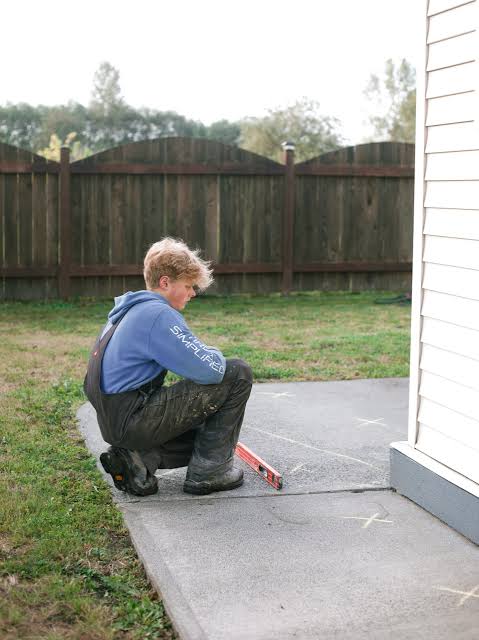
The crack ran from the garage apron to the front step — half an inch wide by spring, nothing there the previous October. That’s frost heave at work, and it’s why concrete leveling for freeze-thaw climates is not the same job it is in Phoenix or Atlanta. The soil under a slab in Chicago, Minneapolis, or Buffalo moves. A lot. Ignoring that when you choose a leveling method is how you end up paying for the same repair twice.
Here’s the honest tension nobody talks about: mudjacking has been the default fix for sunken slabs for decades, but in climates with 100+ freeze-thaw cycles per year and frost depth lines reaching 48 inches or deeper, the slurry that mudjacking pumps under your slab is itself vulnerable to the same moisture cycle that caused the problem. That doesn’t make mudjacking useless — it makes timing and soil type the deciding factors.
- Frost depth range: 12 inches in the mid-Atlantic to 60+ inches in northern Minnesota and the Upper Midwest — your local frost depth line determines how deep soil movement reaches under a slab.
- Best months to level: Late April through June, or August through mid-October in most freeze-thaw regions of the U.S. — this avoids active heave and gives curing material time to set before freeze cycles begin.
- Cold weather curing minimum: Polyurethane foam injection requires ambient and ground temperatures above 40°F to cure properly; mudjacking slurry requires above 40°F and ideally above 50°F for reliable strength gain.
- Freeze-thaw resistance by method: Polyurethane foam is hydrophobic (repels water) and maintains structural integrity through repeated freeze-thaw cycles; mudjacking slurry is porous and can absorb moisture, making it susceptible to frost damage if installed near freeze season.
- Typical cost difference in 2026: Mudjacking commonly runs $3–$6 per square foot; polyurethane foam injection typically runs $5–$25 per square foot depending on void depth and region — the higher upfront cost often reflects longer service life in cold climates.
How frost heave actually damages concrete (and why it keeps coming back)
Frost heave is the upward or lateral movement of soil caused by the formation of ice lenses — layers of ice that grow perpendicular to the direction of freezing as water migrates toward the cold front. This isn’t just surface freezing. In a climate where the frost depth reaches 36 to 48 inches, the soil moves at multiple depths simultaneously, pushing your slab unevenly from below.
The reason frost heave keeps returning after a repair is rarely the repair itself — it’s the drainage conditions beneath the slab. Water has to get under there to freeze. If the sub-base has poor drainage, water pools under the slab every wet season, freezes in November, and the cycle repeats. A leveling job that doesn’t address sub-base drainage is a temporary fix, full stop.
Soil type makes this worse in many cold-climate regions. Clay-heavy soils — common across the Great Lakes, Midwest, and Northeast — hold water and allow ice lens formation more readily than sandy soils, which drain quickly and experience far less heave. If your home sits on clay-heavy ground, expect frost heave to be a recurring issue regardless of leveling method unless you also improve drainage. Understanding how soil type drives heave is the first step toward a repair that actually lasts.
What your local freeze-thaw cycle count really means for concrete leveling repair timing
A freeze-thaw cycle is one complete sequence of temperatures dropping below 32°F and then rising back above it. Cities like Minneapolis commonly experience 50–80 freeze-thaw cycles per year; areas in northern Wisconsin and Minnesota can see 100 or more. Each cycle stresses both the concrete surface and the sub-base material beneath it.
This cycle count matters directly for concrete leveling because it tells you how much cumulative stress your fill material will face each winter. Mudjacking slurry — a mix of water, soil, and Portland cement — is porous. Every freeze-thaw cycle that occurs while that slurry is still curing, or after it’s cured but before it has fully dried, introduces the risk of internal frost damage to the fill material itself.
Polyurethane foam injection cures in 15–30 minutes and is hydrophobic by nature, meaning it doesn’t absorb groundwater. That property is the single biggest reason it outperforms mudjacking in high-cycle freeze-thaw climates — not the foam’s compressive strength, but its indifference to water. Once you understand that distinction, the method choice in most cold-climate situations becomes straightforward.
In climates with 80 or more freeze-thaw cycles per year, polyurethane foam injection’s water-repellent properties give it a meaningful durability advantage over mudjacking slurry — which can absorb moisture and degrade from repeated frost exposure.
Does frost heave make polyurethane a better choice than mudjacking for freeze-thaw climates?
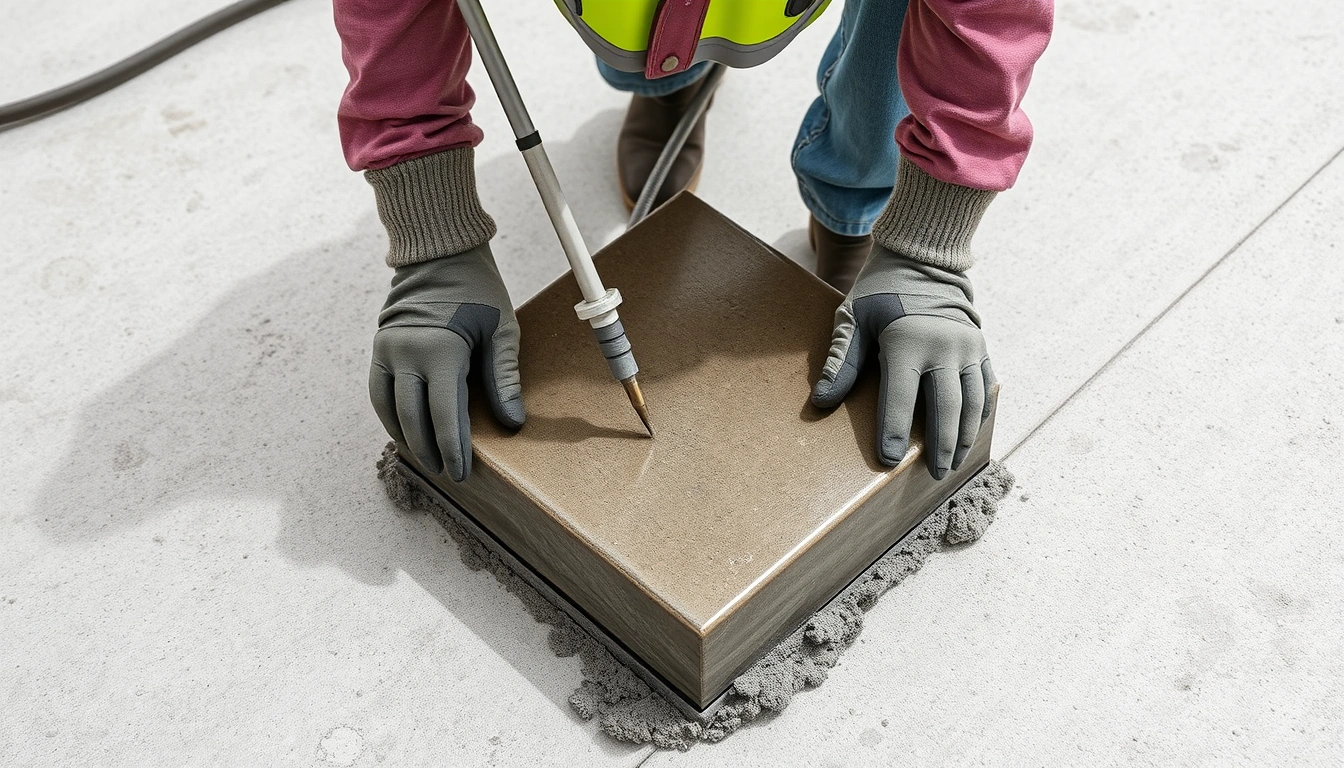
In most freeze-thaw regions, yes — frost heave conditions favor polyurethane foam injection over mudjacking for three specific reasons. First, foam cures in under 30 minutes, reaching full strength before another freeze cycle can affect it. Second, it’s hydrophobic, so seasonal groundwater doesn’t compromise the fill material. Third, the smaller injection holes (roughly 5/8 inch vs. 1.5–2 inches for mudjacking) reduce surface entry points where water can later infiltrate and refreeze.
That said, mudjacking still makes sense in freeze-thaw climates under specific conditions: when the slab is very large and void fill volume is high (mudjacking is cheaper at scale), when frost depth in your area is shallow (under 18 inches), or when you’re leveling a structure that will be replaced within 5–7 years anyway. You can review the full concrete leveling methods compared breakdown to match method to your specific slab situation.
The one scenario where mudjacking clearly loses in cold climates: leveling in late fall within 6 weeks of your average first hard freeze. The slurry needs time to cure and dry before it faces freeze-thaw stress. Foam doesn’t have that constraint — it’s fully set the same afternoon.

Can you level concrete in winter in a freeze-thaw region?
Technically yes, but practically — it depends on ground temperature, not just air temperature. The critical threshold for both mudjacking and polyurethane foam injection is a ground temperature above 40°F. Air temperature can be higher than that while the ground beneath a slab stays below freezing, especially in January and February in northern states.
Polyurethane foam injection is more forgiving of cold conditions than mudjacking. Some foam formulations are rated for application in temperatures as low as 35°F ambient, and because foam cures so quickly (15–30 minutes), there’s minimal exposure window. Mudjacking in winter is a much riskier call — the slurry can freeze before it cures, leaving a fill material that crumbles under the slab by spring.
Winter leveling also has a diagnostic problem worth understanding: if a slab is in its heaved position (pushed up by frost), leveling it in January locks in that heaved position. When the ground thaws in March or April, the slab may settle unevenly or crack. The right call is almost always to wait until after final frost before scheduling any leveling work.
| Month | Mudjacking viability | Polyurethane foam viability | Key risk |
|---|---|---|---|
| January–February | Not recommended | Not recommended | Ground frozen; slab may be in heaved position |
| March | Not recommended | Marginal — check ground temp | Active thaw; slab still settling |
| April–May | Viable after final frost | Good — optimal window opens | Late frost events possible in April |
| June–August | Excellent | Excellent | None significant |
| September–mid-October | Good — 6 weeks before first freeze | Excellent | Watch forecast; mudjacking needs curing time |
| Late October–November | Risky — not recommended | Possible if temps stay above 40°F | Freeze before slurry cures |
| December | Not recommended | Not recommended | Ground temps too low in most northern regions |
How to schedule concrete leveling in a cold climate — step by step
Getting the timing right in a freeze-thaw region isn’t complicated, but it requires a little more planning than calling a contractor whenever the weather feels warm. Here’s the process to walk through before booking any leveling work in a northern climate.
- Find your local frost depth line. Contact your county building department for the code-required frost depth in your area. That number tells you when ground temps are reliably above 40°F — typically 4–6 weeks after your last average hard freeze date. Do not skip this step.
- Identify the type of damage. Is the slab heaved upward (frost heave) or sunken downward (settlement from washout or compaction)? A heaved slab needs to be leveled after the ground thaws and fully settles. A sunken slab can be addressed in the fall window as long as curing time allows.
- Check sub-base drainage before calling anyone. Run a hose along the perimeter of the affected slab for 5 minutes. If water pools and doesn’t drain within 2–3 minutes, you have a drainage problem that will cause re-heave regardless of leveling method.
- Choose your method based on timing and soil. If you’re scheduling in late May through August, both mudjacking and polyurethane foam injection are viable. If you’re scheduling in September or later, foam is the safer choice — its 30-minute cure time eliminates the risk of a freeze event interrupting the process. For decisions on whether leveling even makes sense versus full replacement, the concrete leveling vs replacement decision comes down to slab thickness, crack pattern, and how many more winters it needs to last.
- Get at least two quotes and ask each contractor about cold-weather curing protocol. A contractor who installs mudjacking in October without mentioning curing temperature minimums is taking your money and your risk.
- Schedule the work 4–6 weeks before your average first hard freeze. In Minneapolis, that means booking by mid-September. In Cleveland, late October is possible with foam but not mudjacking. Know your local dates.
- Check the leveled slab the following spring. After one full freeze-thaw cycle, inspect for any shift greater than 1/4 inch. Minor settling in the first year is normal; anything beyond that suggests a sub-base issue that leveling alone didn’t fix.
Side-by-side: mudjacking vs. polyurethane foam in freeze-thaw conditions
Both methods can work in cold climates — the question is which one holds up better given your specific frost depth, soil type, and scheduling window. With the timing factors covered above in mind, this table focuses specifically on freeze-thaw performance, not general leveling quality.
| Factor | Mudjacking | Polyurethane foam injection |
|---|---|---|
| Cure time | 24–72 hours before slab use; weeks before full strength | 15–30 minutes to full working strength |
| Minimum curing temp | Above 40°F ambient, ideally 50°F+ | Above 40°F; some formulations rated to 35°F |
| Water absorption | Porous — absorbs moisture over time | Hydrophobic — repels water |
| Freeze-thaw durability | Moderate — can degrade with repeated freeze-thaw cycles if moisture-exposed | High — maintains integrity through repeated freeze-thaw cycling |
| Best scheduling window (cold climate) | Late April through mid-September | Late April through late October (ground temp dependent) |
| Typical cost (2026) | $3–$6 per sq ft | $5–$25 per sq ft |
| Injection hole size | 1.5–2 inches | 5/8 inch |
| Best for freeze-thaw climates with deep frost? | Only when cost is primary constraint and timing is ideal | Yes — preferred method in high-cycle freeze-thaw regions |
For projects where cost is a significant factor, the concrete leveling cost statistics show regional pricing variation that can substantially change which method makes financial sense. Foam’s higher per-square-foot cost often closes when you factor in reduced re-treatment frequency in cold climates.
The mistake that causes slabs to heave again after one winter
The most common cause of repeated frost heave after a leveling job is leveling a slab while it’s still in its heaved position. A homeowner sees a raised, uneven slab in March, calls a contractor in April, and the crew levels the slab relative to its current height — which may still be 1–2 inches higher than its pre-heave position. By June, the frost is gone and the slab drops back, now sitting lower than the sections around it.
The fix is simple: wait a full 4–6 weeks after your last hard freeze before assessing a slab’s true settled position. Mark the slab with a paint pen or chalk at the corner joints in late February. Check those marks again in early May. If the slab has moved downward, it was heaved when you thought it was settled. That’s when leveling makes sense — not before.
The second overlooked cause of recurring heave is a sandy sub-base that’s being gradually washed away. Sandy soils drain well, which is good, but if there’s a drainage pathway pulling sand out from under the slab — common near downspouts or slope runoff — you’ll get a new void within a year no matter which leveling method you used. Resources on concrete leveling for sandy soil cover this scenario with sub-base stabilization approaches that hold longer-term.
Leveling a frost-heaved slab before the ground fully thaws is the single most common reason homeowners in cold climates call for a second repair within 18 months of the first.
- Polyurethane foam injection outperforms mudjacking in high-cycle freeze-thaw climates primarily because it’s hydrophobic — it doesn’t absorb the groundwater that drives frost heave damage.
- Never level a slab in a freeze-thaw region until 4–6 weeks after the last hard freeze — leveling a heaved slab is the most common cause of repeat repairs.
- The minimum curing temperature for both methods is 40°F at ground level, not just air temperature — confirm ground temp before scheduling any fall leveling work.
- Poor sub-base drainage is the root cause most leveling jobs don’t fix — address it or expect the same slab to move again within 2–3 winters.
Common questions about concrete leveling for freeze-thaw climates
What is frost heave and how does it damage concrete slabs?
Frost heave is the upward movement of soil caused by ice lens formation as water migrates toward a freezing front. In clay-heavy soils with frost depths reaching 36–60 inches, this movement can lift a concrete slab several inches unevenly over a single winter, causing cracking, tilting, and joint separation at the edges.
How do I schedule concrete leveling around freeze-thaw seasons?
Schedule leveling 4–6 weeks after your last average hard freeze (typically late April to early May in Zone 5–6 climates) or at least 6 weeks before your first hard freeze in fall. For mudjacking, mid-September is the latest safe window in most northern states. Polyurethane foam can extend that window to late October if ground temps stay above 40°F.
Polyurethane vs mudjacking in cold climates — which one actually holds up?
Polyurethane foam injection holds up better in cold climates because it cures in 15–30 minutes and is hydrophobic,
See also: concrete leveling methods compared
See also: concrete leveling cost statistics
See also: concrete leveling vs replacement decision
Related: driveway load capacity
Related: concrete leveling services near me
Related: concrete leveling process steps explained


Related Posts
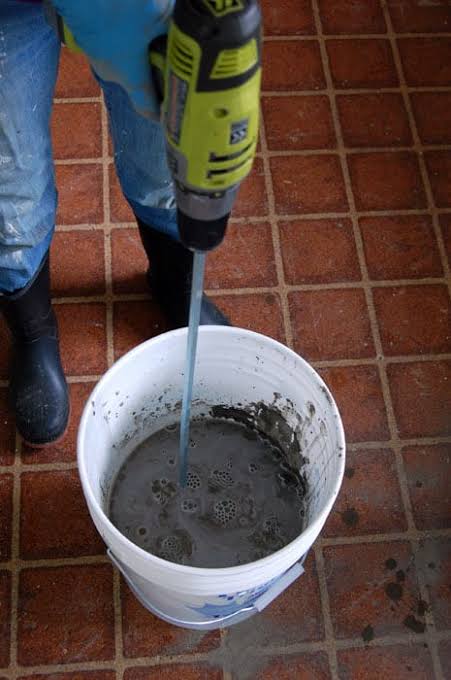
Concrete Leveling Process Steps: Drill, Lift, Patch Explained
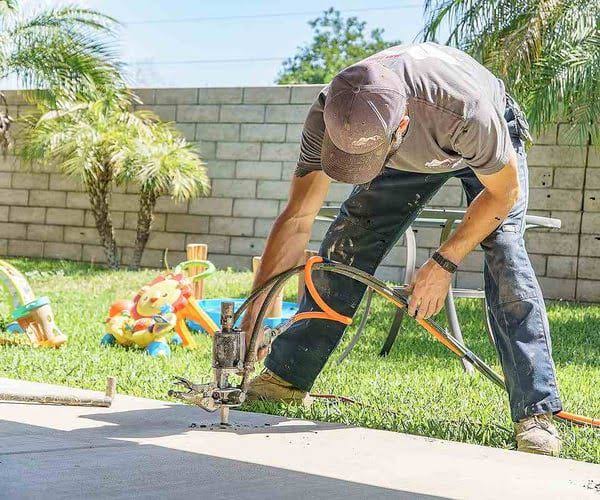
Polyurethane vs mudjacking for driveway