
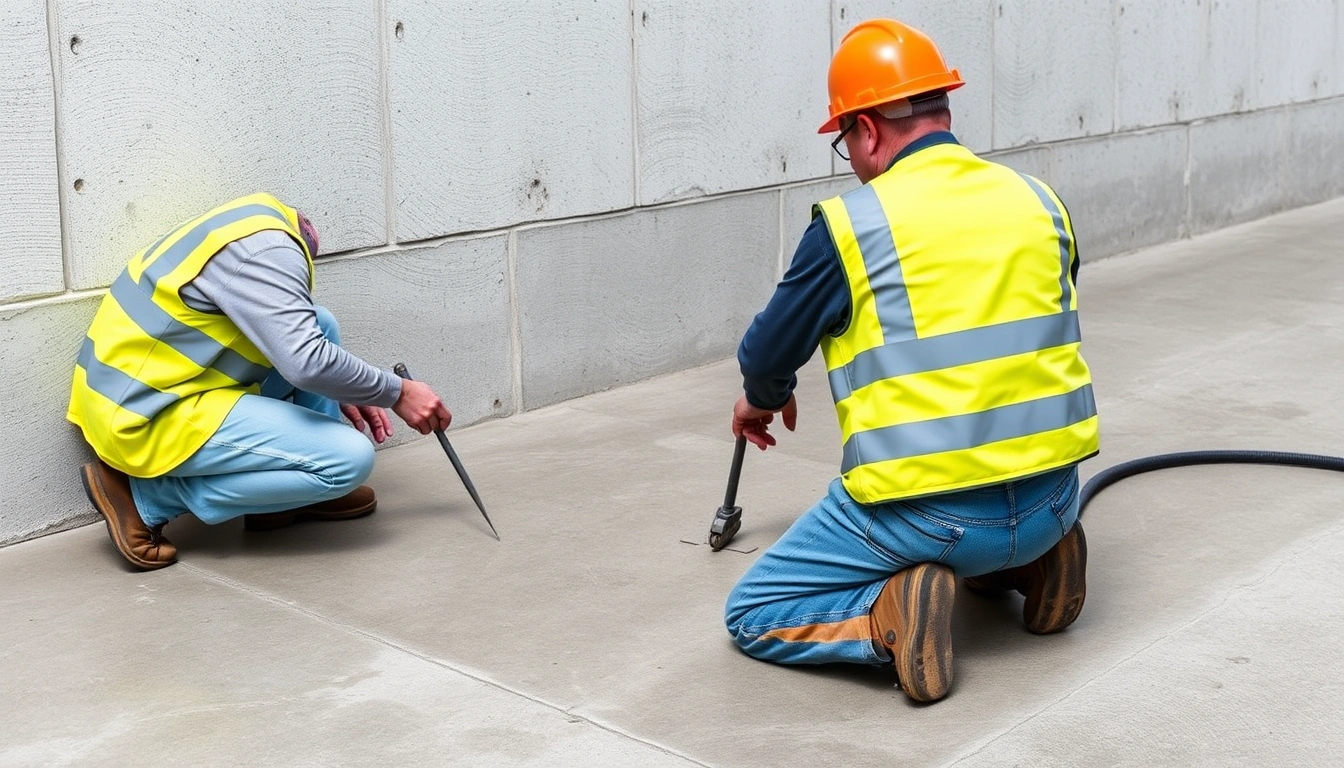
Commercial concrete leveling cost: real prices, real trade-offs (2026)
⏱️ 7 min read · Last updated: 2026
- Typical cost range: $3–$8 per sq ft for mudjacking; $8–$25 per sq ft for polyurethane foam injection on commercial sites
- Minimum commercial project size: Most contractors set a $1,500–$2,500 job minimum; large warehouse floor projects commonly run $15,000–$80,000+
- Downtime cost context: A mid-size distribution warehouse can lose $5,000–$20,000 per day in operational disruption — making a $2,000 foam premium often the cheaper total decision
- Load rating target: Rehabilitated commercial slabs should reach a minimum compressive strength of 3,000–4,000 PSI to safely support forklift load traffic; polyurethane foam typically achieves 40–60 PSI lifting pressure without over-pressurizing adjacent panels
- Cure time comparison: Polyurethane foam is traffic-ready in 15–30 minutes; mudjacking requires 24–48 hours before heavy equipment can return
A settled warehouse floor slab doesn’t just look bad — it triggers OSHA trip-hazard citations, invalidates forklift load ratings, and quietly costs you more per week in avoided zones than a full repair ever would. I’ve reviewed commercial slab jacking bids ranging from $4,200 to $61,000 for essentially the same square footage, and the gap almost always comes down to one thing: whether the contractor priced the job or priced the downtime. Commercial concrete leveling cost is the number on the invoice. The number that actually matters is what operations lose while the slab is out of service.
The frustrating part? Most cost guides treat commercial jobs like scaled-up residential ones. They’re not. A sunken panel in a parking lot slab is a liability exposure. A dip in a warehouse floor aisle is a forklift incident waiting to happen. The repair method, the scheduling, and the PSI targets are all different — and the cost math changes completely once you factor downtime in.
What commercial concrete leveling actually costs by method and scope
Commercial concrete leveling cost splits cleanly by method: mudjacking (cement-sand slurry pumped under the slab) and polyurethane foam injection (two-part expanding foam). Both lift settled concrete, but they perform very differently under commercial conditions — and the price gap between them is smaller than the operational gap.
Here’s how the numbers stack up across typical commercial project types in 2026:
| Project type | Mudjacking ($/sq ft) | Polyurethane foam ($/sq ft) | Typical total range |
|---|---|---|---|
| Warehouse floor (interior) | $4–$7 | $10–$25 | $8,000–$80,000+ |
| Parking lot slab lifting | $3–$6 | $8–$18 | $3,500–$40,000 |
| Loading dock approach | $5–$8 | $12–$22 | $4,000–$25,000 |
| Retail storefront apron | $3–$6 | $8–$16 | $1,500–$12,000 |
Most contractors set a minimum commercial project fee of $1,500–$2,500 regardless of scope. If you’re only dealing with one or two panels, expect to pay the minimum even if the square footage math says less. And if your site involves interior slabs with joint sealing or void filling beneath, factor in an additional $1–$4 per linear foot for joint work — that cost is frequently omitted from initial bids.
For a deeper look at how these methods compare on longevity and load performance, the breakdown in concrete leveling methods compared covers the technical trade-offs that pricing alone won’t tell you.
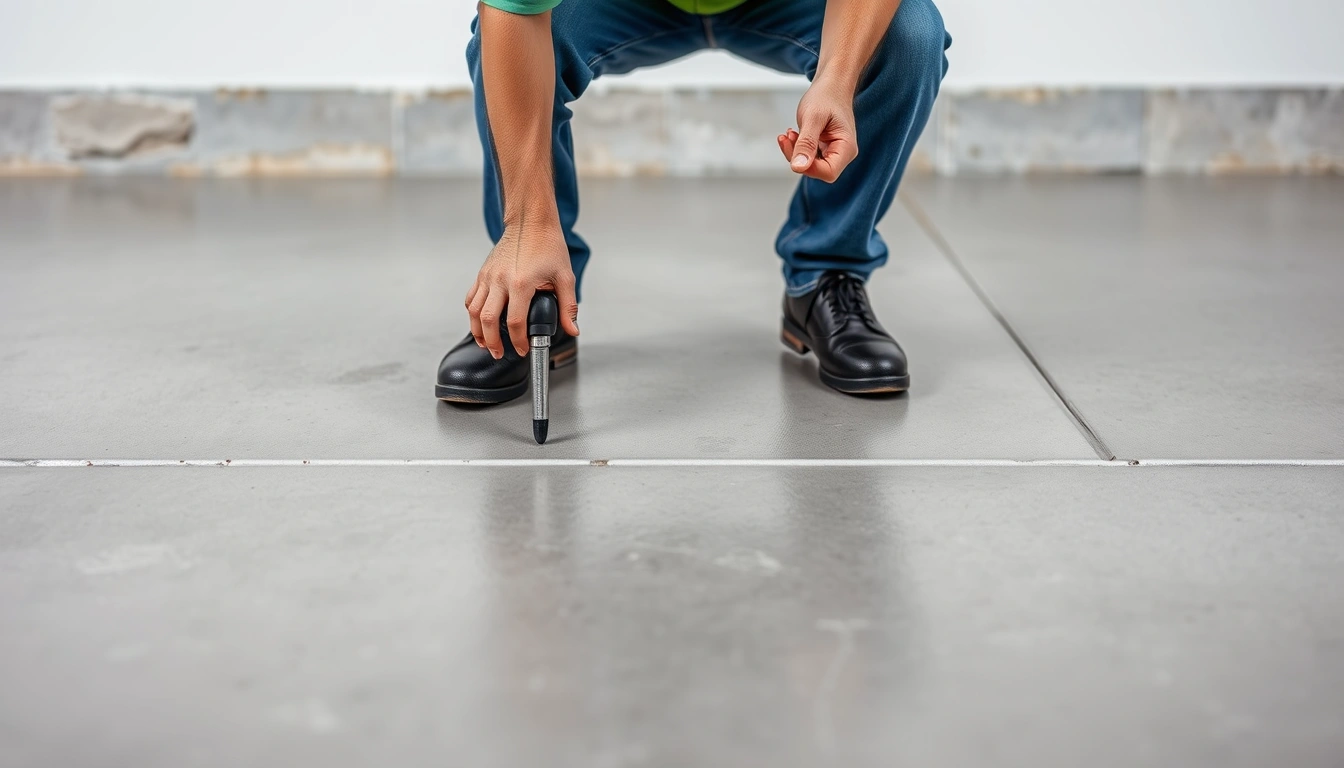
How much does it cost to level a warehouse floor?
Warehouse floor leveling typically costs $10,000–$80,000 for projects covering 2,000–10,000 square feet, with polyurethane foam running $10–$25 per square foot being the dominant commercial choice due to its minimal downtime. Mudjacking is cheaper per square foot at $4–$7, but it’s rarely the right call on an active warehouse floor — the 24–48 hour cure window takes entire aisles offline, which compounds the real cost fast.
The scope of warehouse floor leveling is almost always larger than it first appears. Facilities managers typically identify one problem aisle or a settled section near a loading dock, then discover during the assessment that three or four adjacent panels have voids beneath them — detected by ground-penetrating radar or a simple sounding test. Those voids don’t show surface deflection yet, but they will, and filling them during the initial visit is always cheaper than mobilizing again six months later.
A warehouse floor polyurethane foam project covering 4,000 square feet typically runs $40,000–$60,000 in 2026 — compared to $150,000–$250,000 for full slab replacement of the same area, with six to twelve weeks of operational disruption for replacement versus one to three days for foam lifting.
The floor flatness specification also matters. Commercial warehouse floors — especially those with narrow-aisle racking systems or automated guided vehicles — are often built to FF (flatness) and FL (levelness) numbers per the American Concrete Institute’s ACI 117 standard. A leveling contractor who doesn’t measure and report to that standard post-lift is leaving you with a repaired slab that may still fail racking system tolerances. Ask for post-lift floor flatness numbers before signing off on the job.
What does commercial parking lot leveling cost per square foot?
Commercial parking lot slab lifting runs $3–$18 per square foot in 2026, with the final number depending heavily on panel size, access, and how many voids exist beneath the surface. A typical mid-size commercial parking lot repair covering 50–150 panels lands between $8,000 and $35,000. That range feels wide, but the spread is almost entirely driven by subsurface conditions — not contractor markup.
Parking lot concrete behaves differently from interior slabs because it’s exposed to freeze-thaw cycles, water infiltration at joints, and the cumulative effect of heavy vehicle traffic at the same entry and exit points. The panels that fail first are almost always the ones at ramp transitions, curb cuts, and drainage low points — places where water pools and works its way under the slab over years.
| Parking lot condition | Recommended method | Estimated cost | Downtime |
|---|---|---|---|
| 1–10 settled panels, minor voids | Polyurethane foam | $1,500–$8,000 | 2–4 hours |
| 10–50 panels, moderate settlement | Polyurethane foam or mudjacking | $8,000–$22,000 | 1–2 days |
| 50+ panels, extensive voids | Polyurethane foam (staged) | $22,000–$40,000+ | 2–5 days (staged) |
| Severe cracking, base failure | Replacement (leveling not viable) | $30–$70/sq ft | 2–6 weeks |
Sandy or loose subsoil under a parking lot slab significantly changes the stability of any lift. If the base material isn’t competent, the foam fills the void but doesn’t prevent re-settlement. Understanding concrete leveling for sandy soil is worth reviewing before approving a bid on sites with known drainage or erosion history — the contractor’s soil assessment process should be a line item, not an afterthought.
The downtime calculation most facility managers skip
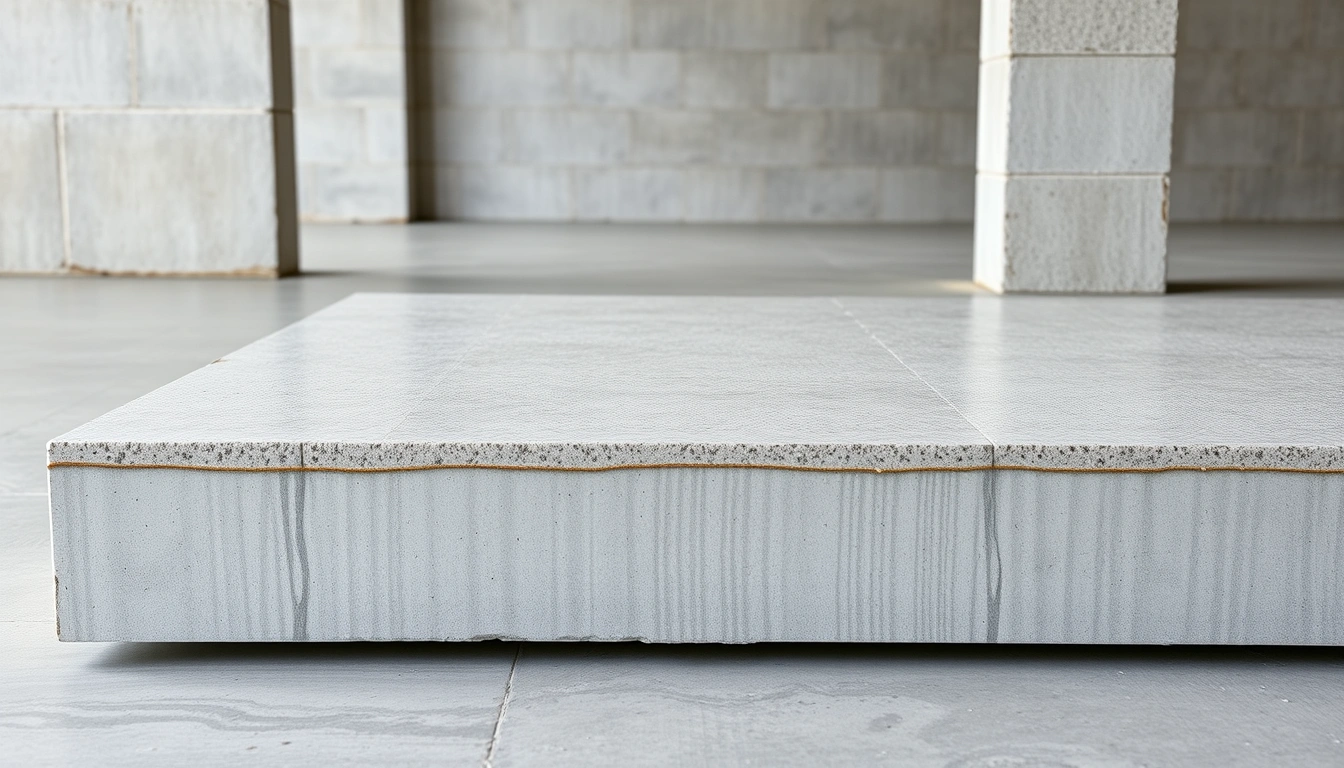
The most important number in any commercial concrete leveling cost comparison is not on the contractor’s bid — it’s what your operation loses per day while the repaired area is offline. Most facilities managers focus on the repair invoice and treat downtime as an inconvenience rather than a cost. That math almost always makes the cheaper method more expensive in total.
Here’s a basic framework. Take the revenue or throughput tied to the affected area — a warehouse aisle, a loading dock approach, a parking lot section — and divide by your operating days. Even a conservative estimate often reveals that 24 hours of downtime costs more than the price difference between mudjacking and polyurethane foam.
- Distribution warehouse, 1 dock door offline: $3,000–$8,000 per day in delayed shipments and rerouting labor
- Retail parking lot, 30% capacity offline: $1,000–$5,000 per day depending on foot traffic volume
- Manufacturing facility, one forklift aisle closed: $2,000–$15,000 per day in production flow disruption
- Corporate campus, main entrance approach: Variable — but ADA compliance exposure makes every day of inaction a liability clock
For a full picture of how these numbers affect the repair-versus-replace decision, the analysis in the concrete leveling vs replacement decision guide is the clearest framework I’ve found for commercial projects specifically.
Can concrete leveling be done without shutting down operations?
Yes — polyurethane foam injection can be performed with zero full-facility shutdown in most commercial settings, with individual work zones closed for as little as 30–60 minutes per section. This is the single biggest operational advantage foam has over traditional mudjacking, and it’s the reason commercial slab jacking has shifted almost entirely to foam injection in high-traffic environments since 2020.
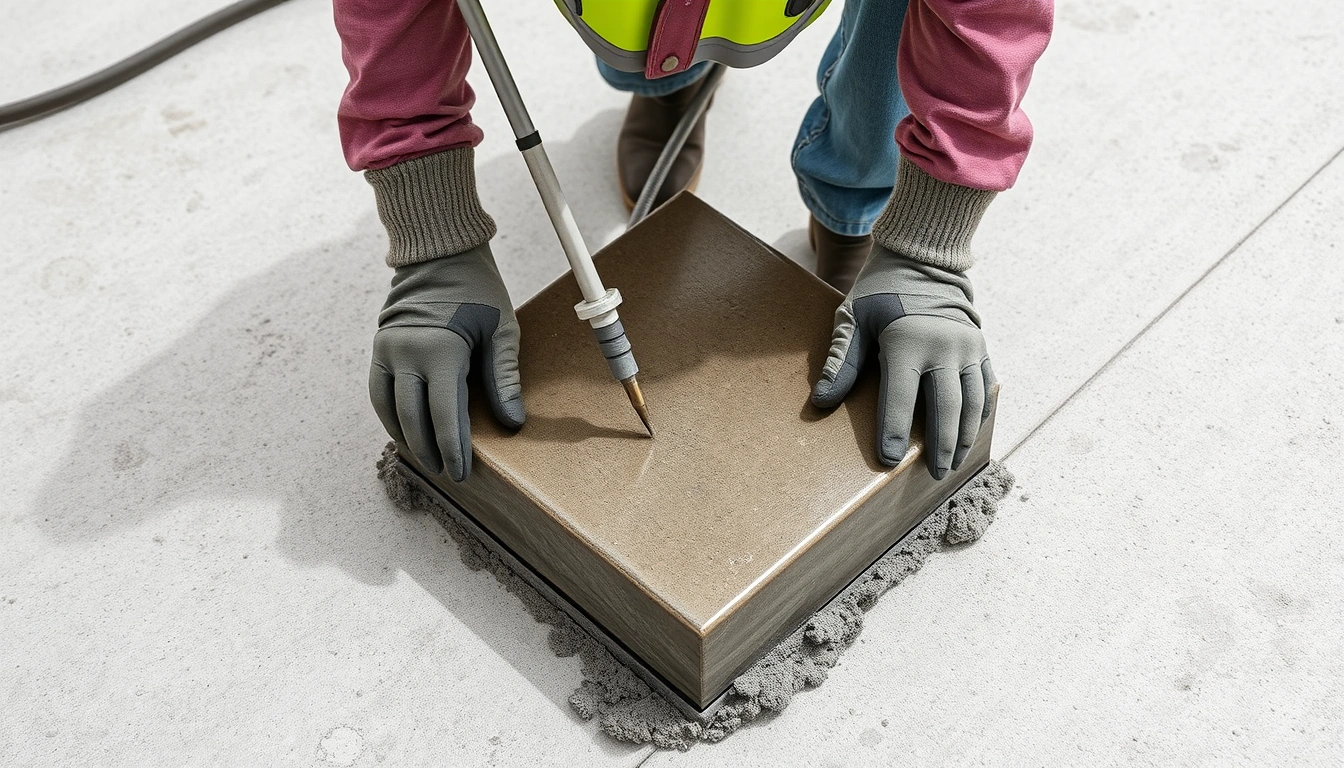
The process works in contained zones. A crew drills 5/8-inch injection ports, fills voids and lifts the slab, and caps the ports — all within a defined work area that can be as small as a single bay. Adjacent lanes or sections stay open. A competent crew can sequence a 10,000-square-foot warehouse floor in shifts, maintaining continuous operations in non-active zones throughout.
The practical scheduling approach for an active warehouse floor looks like this:
- Pre-job walk: Mark all settled panels and known void areas; get a ground-penetrating radar scan if panels show no surface deflection but adjacent slabs have already failed — this reveals hidden voids before they become the next repair call
- Zone mapping: Divide the floor into sections based on your shift schedule; plan repair sequences so no active forklift traffic zone is taken offline during peak hours
- Overnight or off-shift start: Begin with highest-traffic aisles during the lowest-volume window — typically overnight or weekend shifts
- Port drilling: 5/8-inch holes drilled on a grid pattern, typically 4–6 feet apart; this takes 15–30 minutes per panel
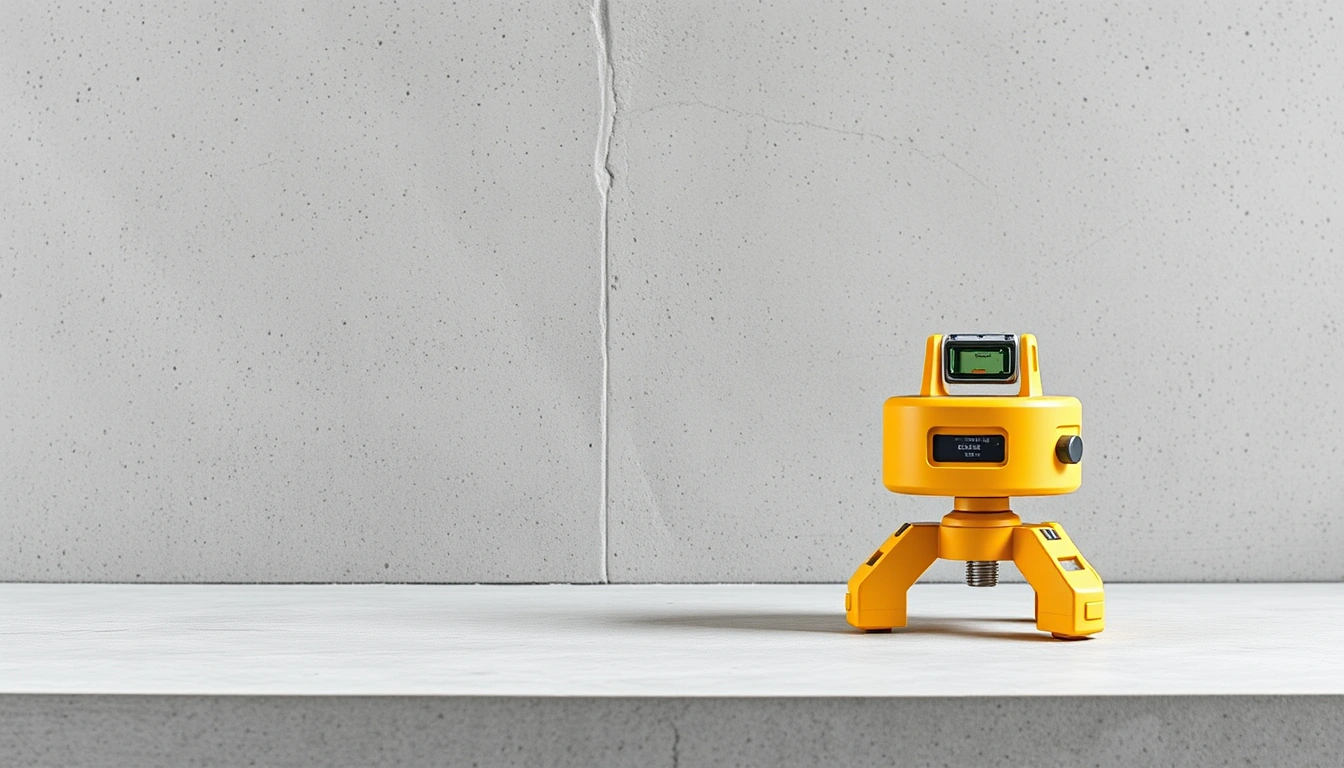
- Foam injection: Two-part polyurethane foam injected under controlled pressure; the slab lifts in real time and the operator monitors with a laser level to stop at the target grade
- Port capping and surface patch: Injection ports filled and flush-patched; zone re-opened to traffic in 15–30 minutes
- Post-lift verification: Floor flatness measured against pre-repair baseline; any joint grinding or transition smoothing completed before sign-off
One honest caveat: “no shutdown” doesn’t mean no planning. Crews need clear staging areas, and injection equipment requires a truck or trailer with line-of-sight access to the work zone. In tight warehouse floor configurations, that logistics constraint can add half a day to project scheduling even when the actual repair work is fast.
Forklift load rating and PSI: why the spec matters before you approve a bid
Any warehouse floor leveling project that supports forklift load traffic needs a post-repair slab strength target of at least 3,000–4,000 PSI compressive strength, and the lifting method must not undermine that rating by over-pressurizing panel edges or creating new stress cracks during the lift. This spec is almost never discussed in standard commercial leveling bids — and it should be.
Forklift load rating is a function of the slab, the subbase, and the continuity between them. A lifted slab sitting on polyurethane foam with 40–60 PSI of bearing support beneath it behaves very differently under a 10,000-pound forklift than a slab with an unfilled void — even if the surface elevation looks identical. The foam fills and stabilizes the subbase simultaneously, which is why it performs better under dynamic forklift load than mudjacking slurry, which can wash out under repeated heavy axle loads over time.
Polyurethane foam used in commercial slab jacking typically achieves a compressive strength of 40–60 PSI, sufficient for standard forklift load applications — but facilities operating Class IV or Class V forklifts over 15,000 lbs should request density specifications from the foam supplier before approving the material.
The specific questions to ask any contractor bidding a warehouse floor job with forklift traffic:
- What is the foam density and compressive PSI rating of the product you’re using?
- Will you perform a post-lift deflection test under load?
- Does your warranty cover re-settlement under forklift load traffic, and for how long?
- Are you evaluating the subbase condition, or just lifting the visible surface?
A contractor who can’t answer the first two questions is not equipped for a commercial warehouse floor project. Residential foam leveling contractors sometimes bid commercial work — the equipment looks the same but the material specs and assessment process are not. For detailed data on cost outcomes across project types, the concrete leveling cost statistics resource includes commercial load-bearing project benchmarks worth reviewing before you finalize a budget.
The mistake that turns a $6,000 repair into a $30,000 one
The single most expensive mistake in commercial concrete leveling is lifting the slab without addressing why it settled in the first place. A raised slab sitting over an active erosion zone, a broken drain line, or an inadequately compacted subbase will re-settle — often within 12–18 months — and the second repair call costs more because the void is larger and the slab is now stressed from two lift cycles.
I’ve seen this play out specifically on parking lot slab lifting jobs where the settling panel was adjacent to a joint that had been allowing water infiltration for years. The contractor lifted the slab, patched the surface, and closed out the job. Fourteen months later, the same section had dropped again — plus two adjacent panels that were fine before. The total cost of the second repair exceeded the first by 40%, and the root cause was never fixed.
The correct pre-repair process for any commercial project involves:
- Identify and fix any active water intrusion or drainage issues near the affected slab — downspouts, broken irrigation, joint failures, or storm drain proximity
- Perform a subsurface void assessment (GPR scan or sounding) before approving lift locations — never assume the surface deflection shows the full picture
- Verify the subbase material is competent enough to hold the lift — in sandy or clay-heavy soils, additional subbase stabilization may be required before foam injection
- Seal all expansion and control joints after the lift — water re-entry through open joints is the leading cause of re-settlement within two years
- Schedule a 90-day post-lift inspection as a contract deliverable, not an optional follow-up
The contractors who skip steps one and three are usually the cheapest bidders. The math on that decision rarely works out in the buyer’s favor. If you’re weighing repair against full replacement and trying to build an honest cost model, the concrete leveling replacement framework gives you a structured way to run the comparison with your specific site conditions factored in.
- Commercial concrete leveling cost runs $3–$25 per sq ft in 2026 — the method gap is real, but the downtime gap is often larger than the price gap
- Polyurethane foam cures in 15–30 minutes and allows zone-by-zone repair without shutting down warehouse floor or parking lot operations
- Any warehouse floor leveling project supporting forklift load traffic should specify a minimum 3,000–4,000 PSI compressive slab strength post-repair
- The most expensive commercial slab jacking mistake is lifting without first finding and fixing the cause of settlement — re-settlement within 18 months is common when root causes are skipped
Common questions about commercial concrete leveling cost
How much does commercial concrete leveling cost per square foot in 2026?
Commercial concrete leveling cost runs $3–$8 per sq ft for mudjacking and $8–$25 per sq ft for polyurethane foam injection in 2026. Most commercial projects have a $1,500–$2,500 minimum. Large warehouse floor or parking lot slab projects commonly total $15,000–$80,000 depending on scope and subsurface conditions.
How do I schedule warehouse floor leveling without stopping operations?
Use polyurethane foam injection, which allows zone-by-zone repair with individual sections closed for as little as 30–60 minutes. Map your warehouse floor into shift-aligned work zones, start with lowest-traffic hours, and keep adjacent aisles open during each repair sequence. A 10,000 sq ft floor can typically be completed over two to three shifts without full shutdown.
Is polyurethane foam or mudjacking better for heavy commercial forklift traffic?
Polyurethane foam is the better choice for warehouse floor areas under forklift load. It achieves 40–60 PSI bearing capacity, cures in 15–30 minutes, and is water-resistant so it won’t wash out under repeated heavy axle loads. Mudjacking slurry is heavier, takes 24–48 hours to cure, and can degrade under sustained moisture — a serious liability in active loading areas.
{“@context”: “https://schema.org”, “@graph”: [{“@type”: “Organization”, “name”: “stableslabsolutions.com”, “url”: “https://stableslabsolutions.com”, “knowsAbout”: “Concrete Leveling Cost Guide by Project and Region”}, {“@type”: “Article”, “headline”: “Commercial Concrete Leveling Cost: Real Prices for 2026”, “description”: “Commercial concrete leveling cost runs $3–$25 per sq ft in 2026. See real price ranges by method and project type. Get a quote today.”, “datePublished”: “2026-07-11T01:10:21.248664”, “dateModified”: “2026-07-11T01:10:21.248664”, “mainEntityOfPage”: {“@type”: “WebPage”, “@id”: “https://stableslabsolutions.com”}, “author”: {“@type”: “Organization”, “name”: “stableslabsolutions.com”}, “publisher”: {“@type”: “Organization”, “name”: “stableslabsolutions.com”, “url”: “https://stableslabsolutions.com”}}, {“@type”: “FAQPage”, “mainEntity”: [{“@type”: “Question”, “name”: “How much does commercial concrete leveling cost per square foot in 2026?”, “acceptedAnswer”: {“@type”: “Answer”, “text”: “Commercial concrete leveling cost runs $3–$8 per sq ft for mudjacking and $8–$25 per sq ft for polyurethane foam injection in 2026. Most commercial projects have a $1,500–$2,500 minimum. Large warehouse floor or parking lot slab projects commonly total $15,000–$80,000 depending on scope and subsurface conditions.”}}, {“@type”: “Question”, “name”: “How do I schedule warehouse floor leveling without stopping operations?”, “acceptedAnswer”: {“@type”: “Answer”, “text”: “Use polyurethane foam injection, which allows zone-by-zone repair with individual sections closed for as little as 30–60 minutes. Map your warehouse floor into shift-aligned work zones, start with lowest-traffic hours, and keep adjacent aisles open during each repair sequence. A 10,000 sq ft floor can typically be completed over two to three shifts without full shutdown.”}}, {“@type”: “Question”, “name”: “Is polyurethane foam or mudjacking better for heavy commercial forklift traffic?”, “acceptedAnswer”: {“@type”: “Answer”, “text”: “Polyurethane foam is the better choice for warehouse floor areas under forklift load. It achieves 40–60 PSI bearing capacity, cures in 15–30 minutes, and is water-resistant so it won’t wash out under repeated heavy axle loads. Mudjacking slurry is heavier, takes 24–48 hours to cure, and can degrade under sustained moisture — a serious liability in active loading areas.”}}]}, {“@type”: “BreadcrumbList”, “itemListElement”: [{“@type”: “ListItem”, “position”: 1, “name”: “Home”, “item”: “https://stableslabsolutions.com”}, {“@type”: “ListItem”, “position”: 2, “name”: “Concrete Leveling Cost Guide by Project and Region”}, {“@type”: “ListItem”, “position”: 3, “name”: “Commercial Concrete Leveling Cost: Real Prices for 2026”}]}]}
See also: concrete leveling methods compared
See also: concrete leveling cost statistics
See also: concrete leveling vs replacement decision
Related: frost heave concrete
Related: polyurethane vs mudjacking for driveway
Related: concrete leveling process steps explained

Related Posts
Cost to fix uneven basement floor
Concrete leveling financing options: what works in 2026