“`html
Polyurethane vs Mudjacking for Driveway: Which Lasts Longer?
⏱️ 7 min read · Last updated: 2026
Got a sunken driveway slab you want raised? When weighing polyurethane vs mudjacking for driveway repair, foam injection is usually the smarter long-term bet. It cures fast, leaves smaller holes, and handles heavy loads without shifting. Mudjacking still earns its keep when budget matters most — particularly for large voids, thick slabs, and driveways that only carry passenger vehicles. Both methods lift a sunken slab back into place, yet the materials, cure times, and long-term results set them apart in ways that matter years down the road.
- Injection hole diameter: Polyurethane uses 5/8-inch holes, while mudjacking typically needs 1.5–2-inch holes.
- Drive-on cure time: Polyurethane takes 15–30 minutes; mudjacking needs 24–72 hours.
- Load-bearing strength: Cured polyurethane typically reaches 50+ PSI compressive strength, while mudjacking slurry is usually 20–40 PSI.
- Cost per square foot (2026): Mudjacking runs about $3–$6 per sq ft; polyurethane foam injection typically costs $5–$10 per sq ft.
- Material weight: Mudjacking slurry weighs about 100 lbs per cubic foot, while cured polyurethane weighs about 2–4 lbs per cubic foot.
A mudjacking crew quoted a homeowner $1,400 to raise a sunken driveway apron. The foam contractor finished the same job in 90 minutes for $900, and the homeowner parked on it before lunch. That price gap is real, but comparing polyurethane vs mudjacking for driveway repair on cost alone misses the bigger picture. What matters more is how each repair holds up under load, in wet soil, and years from now. A cheaper fix today can cost you later if the slab settles again. Here is how the two methods actually compare.
What is the real difference between polyurethane foam injection and mudjacking?
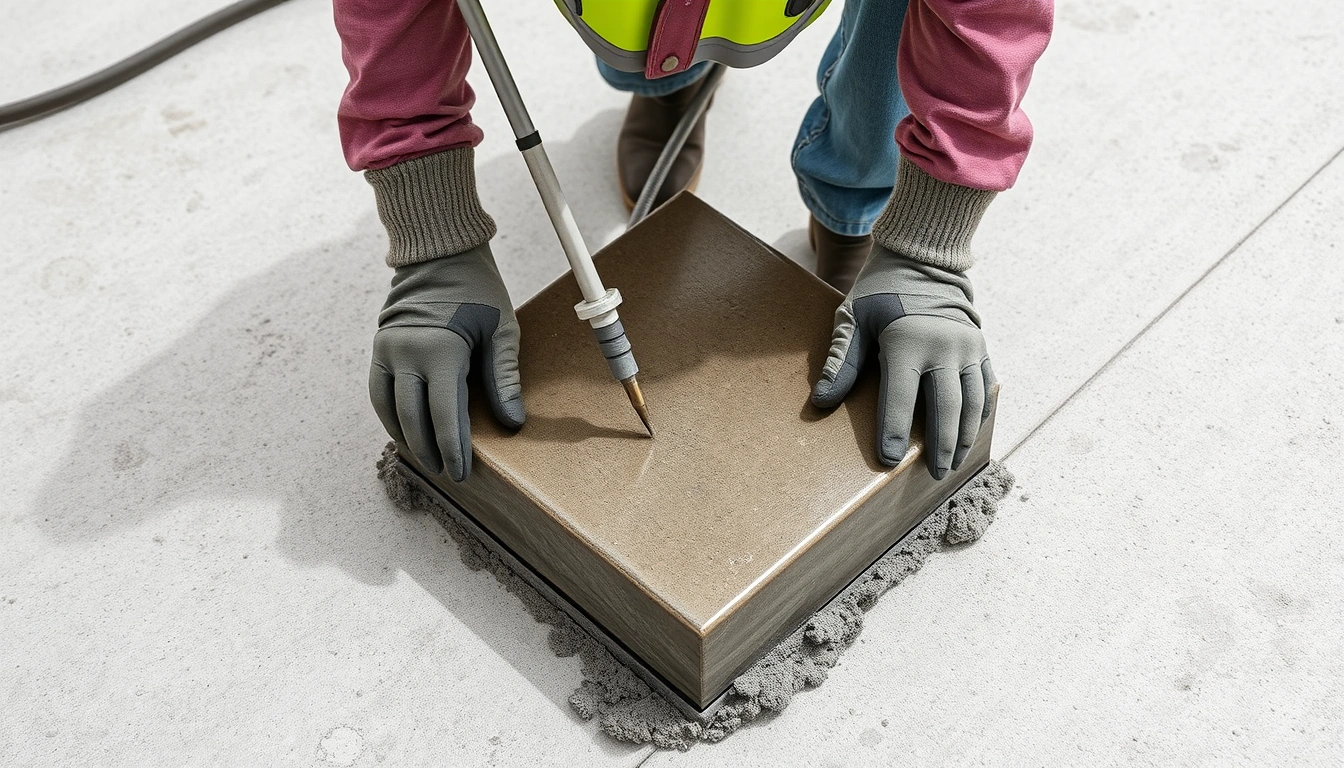
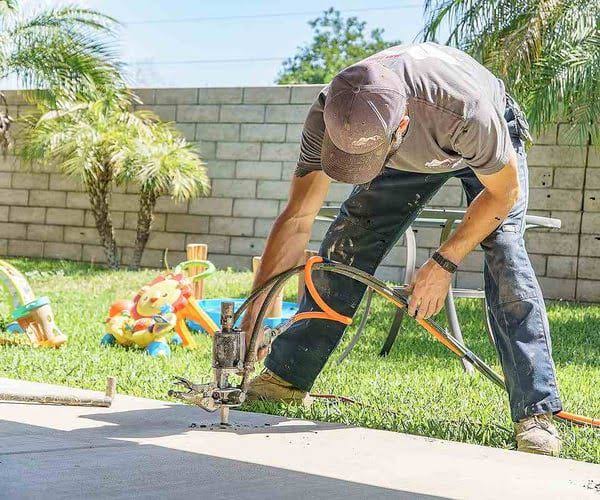
Both methods raise a sunken slab the same basic way — by filling the empty space underneath. What sets polyurethane vs mudjacking for driveway repair apart is the material pumped in and how it behaves underground. Mudjacking pushes a wet cement-sand-soil slurry through larger holes. Foam injection sends a two-part expanding resin through smaller openings. The foam swells beneath the slab and hardens; the slurry fills the gap by sheer volume and dries in place.
That material difference ripples outward into strength, weight, and aging. Cured polyurethane foam typically reaches 50+ PSI compressive strength, while mudjacking slurry usually lands between 20–40 PSI. For an everyday passenger car the gap barely matters, but load up a pickup, delivery van, trailer, or RV and the strength difference shows. Weight tells a similar story: mudjacking slurry weighs roughly 100 lbs per cubic foot, while foam weighs just 2–4 lbs per cubic foot. On weak soil that lighter load can keep the repair steady far longer.
Want the bigger picture on repair options? Our guide on concrete leveling methods compared shows how these two stack up against other concrete repair paths.
Which leveling method leaves smaller holes in my driveway?
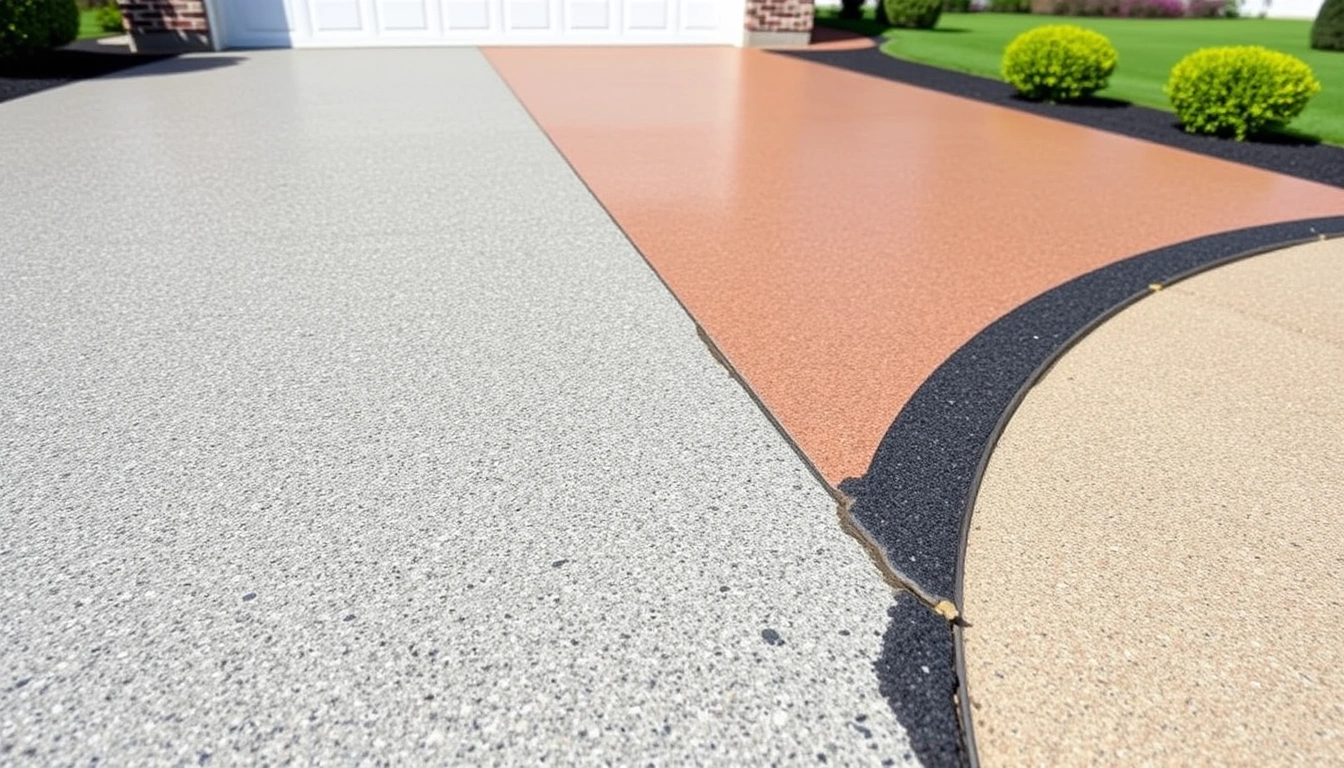
Foam injection, hands down. It usually requires 5/8-inch holes while mudjacking generally needs 1.5–2-inch openings. That size difference matters for the finished look: patch a 5/8-inch hole and it is nearly invisible from standing height. A 2-inch patch is far more noticeable, particularly on brushed or decorative finishes where any repair mark draws the eye.
The reason mudjacking needs bigger holes is the slurry itself — it is thick and must be forced under pressure. Polyurethane resin goes in thin, so the hole only has to admit a liquid; all the expanding happens after the material is already tucked under the slab. Foam also spreads aggressively once inside, which means fewer injection points. Mudjacking tends to need more holes spaced closer together to push material evenly across the void.
On a standard broom-finish concrete driveway, polyurethane foam injection holes at 5/8 inch are usually close to invisible after patching. Mudjacking holes at 1.5–2 inches remain visible at normal viewing distance.
Care about the final look? Then concrete leveling before and after results will give you a real sense of how the patched surface turns out with each method.
Is polyurethane better than mudjacking for a driveway that holds heavy trucks?
Yes. For driveways carrying heavy vehicles, foam injection is the stronger choice. Its higher compressive strength helps the repaired slab handle pickups, box trucks, boat trailers, and RVs without buckling. Mudjacking handles ordinary residential traffic fine, but under heavy repeated loads the slurry can crack or shift over time. If the original sinking traced back to water erosion or poor compaction, that same weak spot tends to return.
Polyurethane does not absorb water and resists erosion far better than slurry, making it the stronger fit wherever drainage trouble, wet soil, or recurring runoff is part of the picture. For driveways that routinely carry vehicles over 10,000 lbs, foam injection is the go-to choice. One consideration: if the void under the slab runs deep — more than 3–4 inches across a wide stretch — foam costs climb quickly because the crew uses more material. Some contractors split the difference by mudjacking for the bulk fill, then foam for the final lift.
For properties that see heavier use, the commercial concrete leveling cost guide digs into bigger loads and tougher usage patterns.
When does mudjacking actually win?
When budget is the top priority. Mudjacking usually runs $3–$6 per square foot compared with $5–$10 for foam injection. Stretch that gap across a large driveway and the savings add up fast — on 600–800 square feet of sunken concrete the difference can reach $1,500 or more. Mudjacking also makes sense when the slab is thick and heavy, the void is large, and the surrounding soil is stable. In that case the extra weight of the slurry does not work against you. The wider availability of mudjacking crews in many regions also means shorter wait times to get the work scheduled.
Situations where mudjacking is the smarter choice
- Budget is the main concern and appearance matters less.
- The sunken section is large, around 200+ square feet, with deep voids.
- The driveway only sees standard passenger vehicles.
- The concrete is already weathered or patched, so visible repair marks are acceptable.
- You plan to replace the driveway in the next 5–8 years and want a lower-cost fix now.
Want a detailed cost breakdown by driveway size? The mudjacking vs polyurethane cost comparison lays out how square footage and void depth swing the final number.
How do polyurethane and mudjacking compare side by side?
The best way to weigh polyurethane vs mudjacking for driveway repair is to line up the factors that matter most: speed, appearance, strength, cost, weight, and water resistance. The table below shows where each method comes out ahead.

| Criteria | Polyurethane foam injection | Mudjacking | Winner |
|---|---|---|---|
| Injection hole diameter | 5/8 inch | 1.5–2 inches | Polyurethane |
| Drive-on cure time | 15–30 minutes | 24–72 hours | Polyurethane |
| Load-bearing capacity | 50+ PSI compressive | 20–40 PSI | Polyurethane |
| Heavy vehicle slab suitability | High — preferred for 10,000+ lb vehicles | Moderate — acceptable for standard cars | Polyurethane |
| Cost per square foot (2026) | $5–$10 | $3–$6 | Mudjacking |
| Material weight | 2–4 lbs/cu ft | ~100 lbs/cu ft | Polyurethane on weak soil |
| Water resistance once cured | Excellent; does not absorb water | Can erode with prolonged water exposure | Polyurethane |
| Large void fill | Cost escalates quickly | Efficient and cost-effective | Mudjacking |
| Cosmetic result | Nearly invisible after patching | Visible patches at normal viewing distance | Polyurethane |
| Expected lifespan | 10–20 years in typical conditions | 5–10 years | Polyurethane |
Which driveway repair should you choose?
Choose polyurethane foam injection if your driveway carries heavy vehicles, if the finished look matters, if you need same-day access, or if the slab sits on weak drainage-prone ground. The higher upfront cost often pays for itself through a longer lifespan and better water resistance.
Choose mudjacking if your budget is tight, the driveway only sees standard cars, the void is large and deep, or you plan to tear out the driveway in a few years anyway. Under those conditions, mudjacking delivers the performance you need at a price that makes sense.
Sometimes the answer is neither. If the concrete itself is failing — deep spalling, wide structural cracking, or slabs under 3 inches thick that have shifted more than once — you need replacement, not lifting.
The real cost question is not only what you pay today. It is how much each repair costs per year of useful life.
For a closer look at long-term durability, read up on polyurethane concrete lifting lifespan. Still torn between fixing the slab and replacing it? The concrete slab repair vs replacement guide spells out when each option makes financial sense.
Exception scenarios where the verdict changes
- Very large void, tight budget: A 4-inch-deep void under 300 square feet of driveway slab can make foam much more expensive than mudjacking.
- Decorative or stamped concrete: Foam is usually better because smaller holes preserve the surface.
- Cold climates with frost-heave cycles: Both methods face freeze-thaw stress, but mudjacking slurry that cracks can create more water entry points.
- Temporary fix with planned replacement: If the driveway will be replaced in two to four years, mudjacking is often the sensible short-term choice.
- Polyurethane foam injection leaves 5/8-inch holes, while mudjacking leaves 1.5–2-inch holes.
- Foam cures in 15–30 minutes; mudjacking usually needs 24–72 hours before driving.
- For vehicles over 10,000 lbs, polyurethane foam injection is the stronger long-term option.
- Mudjacking costs 30–50% less upfront and can be the smarter choice for large voids or short-term repairs.
Common questions about polyurethane vs mudjacking for driveway
How long does polyurethane foam injection last on a driveway?
In typical residential conditions, polyurethane foam injection lasts 10–20 years. The foam does not absorb water, resists erosion, and maintains its compressive strength over time. Actual lifespan depends on soil conditions, drainage, and traffic loads.
Can mudjacking fix a sinking driveway permanently?
Mudjacking can provide a lasting fix when the soil beneath the slab is stable and the original cause of sinking is resolved. However, the slurry material can erode with prolonged water exposure, and the repair typically lasts 5–10 years before the slab may settle again.
Is polyurethane foam injection worth the extra cost over mudjacking?
For most residential driveways, yes. Polyurethane costs 30–50% more upfront but offers faster cure times, smaller holes, higher strength, and a longer lifespan. Over the life of the repair, the cost per year often favors polyurethane foam injection.
How many holes does polyurethane foam injection need for a typical driveway?
A typical two-car driveway usually requires 5–10 injection holes at 5/8 inch in diameter. The exact number depends on the size of the sunken area and the depth of the void beneath the slab. Your contractor should provide a drilling plan before work begins.
What is the biggest risk with mudjacking a driveway?
The biggest risk is that the heavy slurry material can stress already weak soil, potentially causing future settlement. Additionally, the larger injection holes are more visible after patching, and the slurry can erode if water flows beneath the slab over time.
“`
See also: mudjacking vs polyurethane cost comparison
See also: concrete leveling methods compared
See also: polyurethane concrete lifting lifespan