“`html
Sidewalk leveling cost: what ADA trip hazard repairs actually run in 2026
⏱️ 8 min read · Last updated: 2026
- Mudjacking cost: $3–$8 per square foot for public walkway leveling; a standard 5×5 ft sidewalk section commonly runs $75–$200.
- Polyurethane foam lifting cost: $8–$25 per square foot; same section runs $200–$625, but cures in 15 minutes vs. 24–48 hours for mudjacking.
- ADA trip hazard threshold: Any vertical displacement of ½ inch (12.7 mm) or more on a public walkway is classified as a non-compliant trip hazard under ADA Standards for Accessible Design, Section 302.1.
- Concrete grinding cost: $150–$400 per raised joint or panel edge — the cheapest ADA-compliant fix when a slab is only slightly raised and the underlying soil is stable.
- Liability fine range: ADA civil penalties for unaddressed trip hazards on public or commercial property commonly reach $75,000 for a first violation and up to $150,000 for subsequent violations, per DOJ enforcement guidelines.
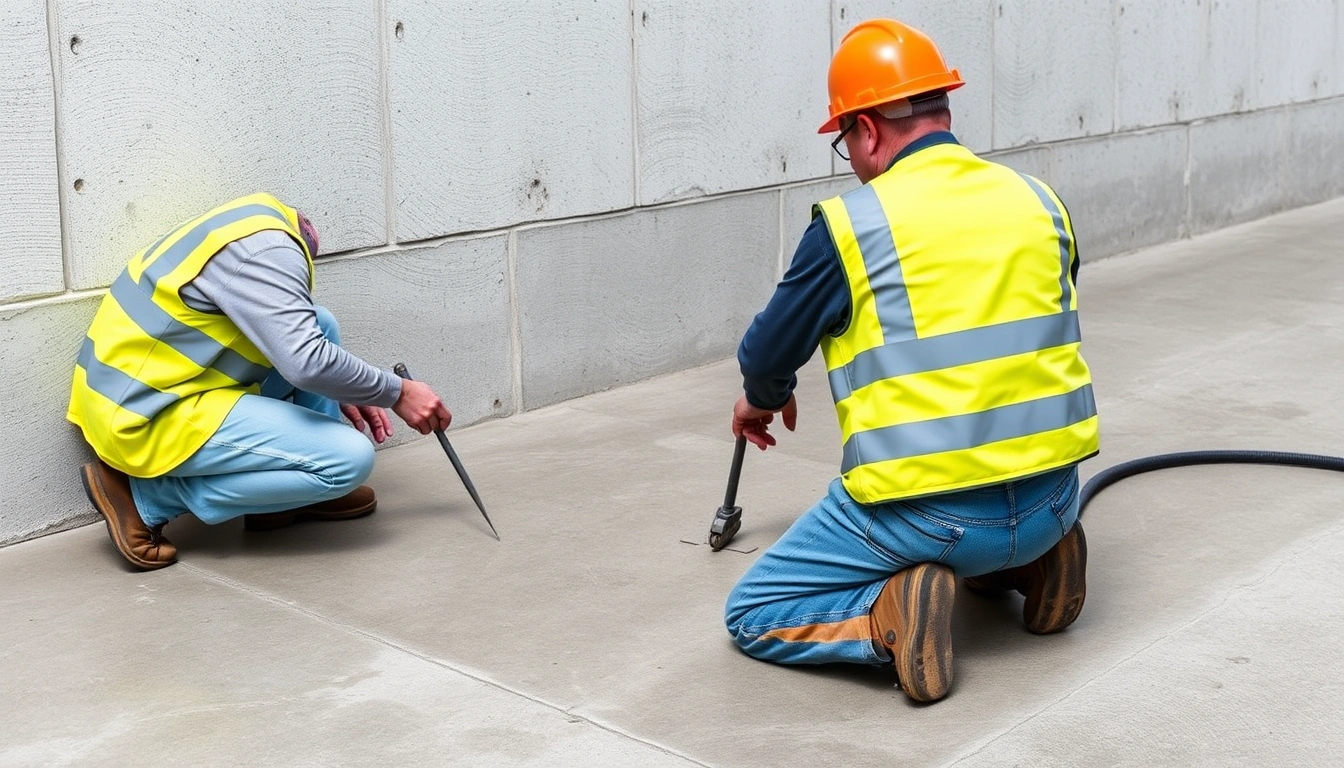
Most property owners researching sidewalk leveling cost call a foam contractor first, then a concrete crew — and end up spending two to four times more than they needed to. The reason is simple: they skip one measurement. The ADA’s half-inch trip hazard threshold determines whether a raised sidewalk panel needs lifting, grinding, or nothing more than a bevel. Know that number before you call anyone, and sidewalk leveling cost drops significantly in most cases.
That gap between the right fix and the expensive fix is real, and it shows up constantly on job sites handling municipal contracts, commercial plazas, and residential driveways that border public right-of-way. The pattern is consistent: the most expensive sidewalk repair method is rarely the most compliant one, and measuring first almost always points to a cheaper path.
What height difference on a sidewalk counts as an ADA violation?
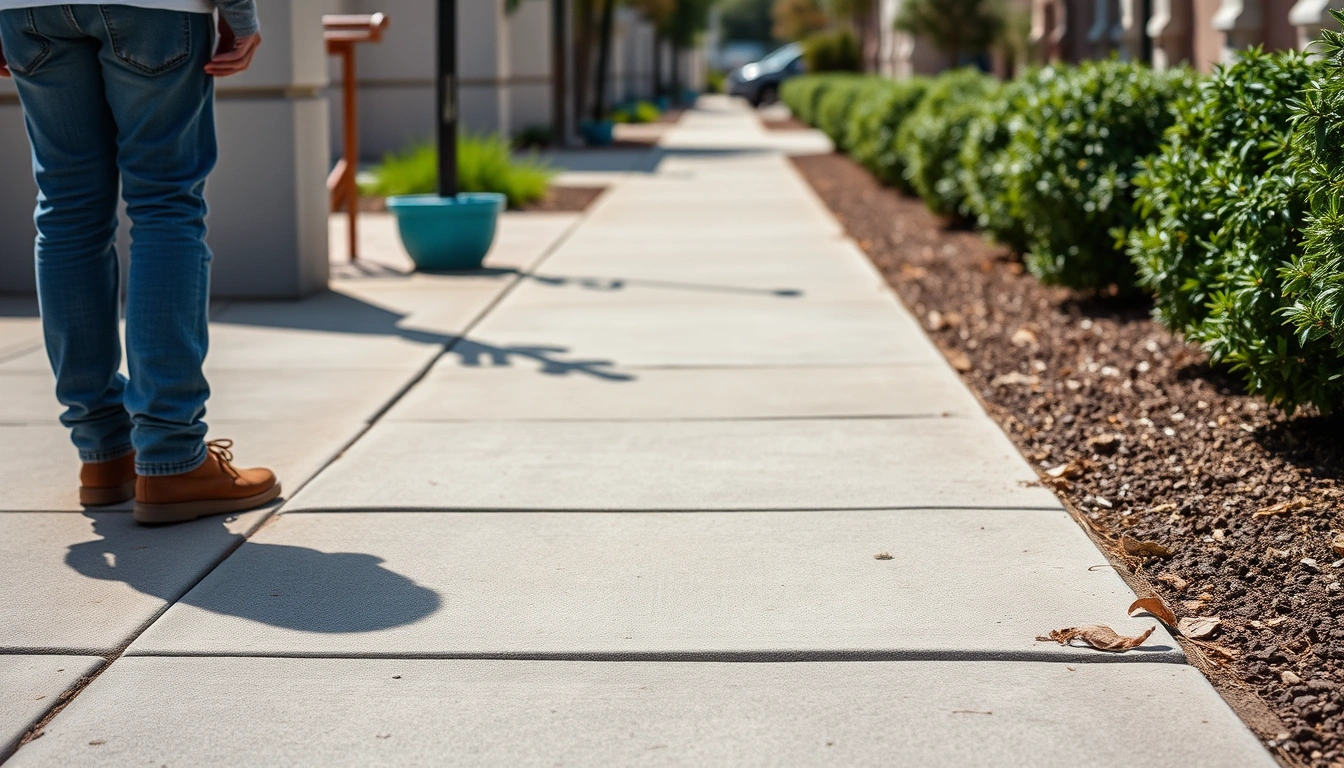
A vertical displacement of ½ inch (12.7 mm) or more between adjacent sidewalk panels is classified as a trip hazard and a non-compliant surface change under ADA Standards for Accessible Design, Section 302.1. Displacements between ¼ inch and ½ inch must be beveled at a maximum 1:2 slope — they don’t automatically require full leveling.
That distinction matters enormously for sidewalk leveling cost. A slab that has risen exactly ⅝ inch above its neighbor needs to come down — or the neighbor needs to come up — by only ⅛ inch past the ½-inch line to become compliant. Grinding that ⅛ inch off the raised edge costs a fraction of what slab lifting costs, which is why measuring displacement before calling a contractor is the single most important step in controlling repair expenses.
The ADA does not require a perfectly level sidewalk — it requires that no single vertical change exceed ½ inch. That’s the number every repair quote should be calibrated against.
For displacements under ¼ inch, no ADA repair is technically required on the surface change itself, though local municipality codes can set tighter standards. Always check with your city’s public works department before assuming federal ADA rules are the only standard that applies.
Is leveling cheaper than grinding down a sidewalk trip hazard?
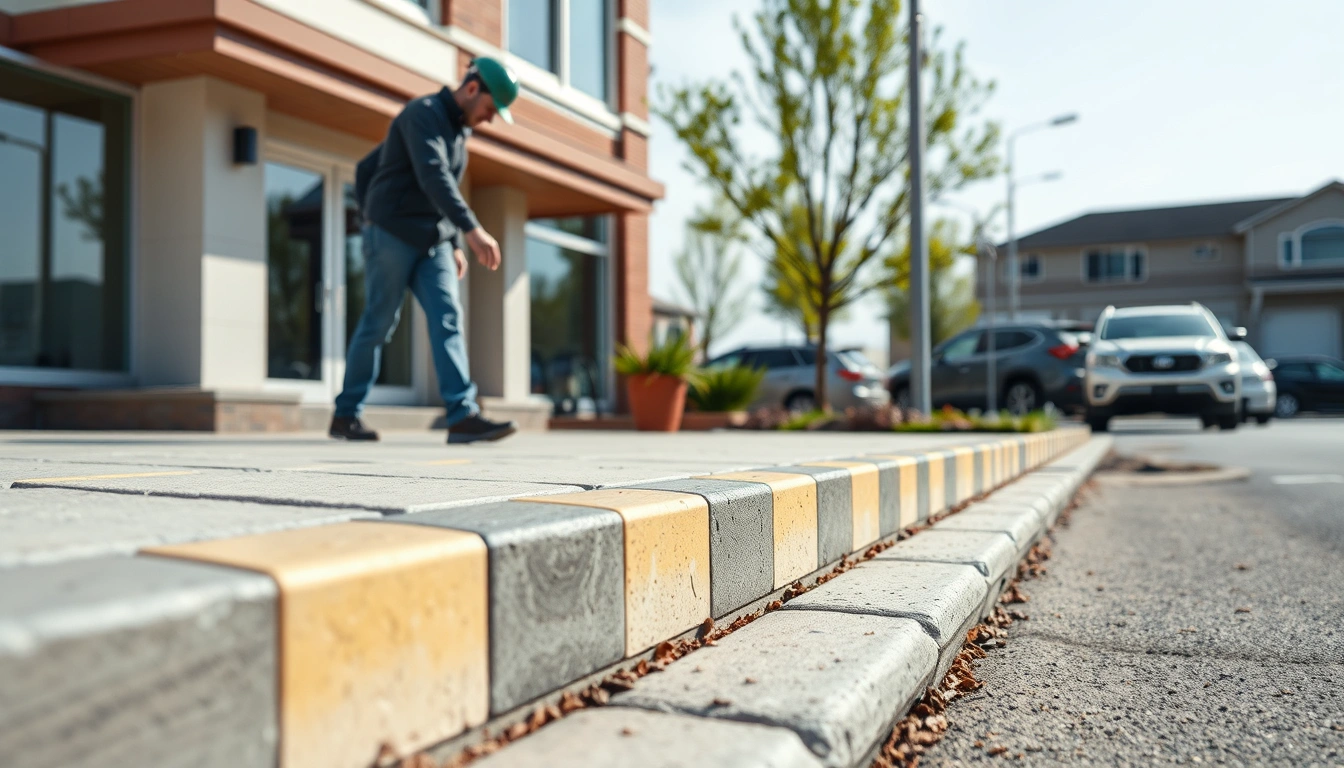
Once you know the ADA threshold, the next question is which repair method fits your specific displacement. For displacements under 1.5 inches where the underlying soil is stable, concrete grinding is almost always cheaper than sidewalk slab lifting — and it produces a compliant result faster. Grinding a single raised joint typically costs $150–$400 and takes under an hour. Mudjacking the same panel costs $75–$300 but adds a 24-hour cure wait and requires a stable void beneath the slab.
The problem with recommending grinding universally is that it removes material permanently. If the slab continues to heave — common near tree roots or in freeze-thaw climates — you grind again next season, and eventually the slab becomes too thin to function. In those cases, sidewalk slab lifting addresses the root movement rather than just the surface symptom. Understanding this trade-off before choosing a method is what separates a one-time fix from a recurring maintenance cost.
| Method | Typical cost per panel | Cure/dry time | Best for | Removes material? |
|---|---|---|---|---|
| Concrete grinding | $150–$400 | Immediate | Stable soil, raise ≤1.5 in | Yes — permanent |
| Mudjacking | $75–$300 | 24–48 hours | Sunken slabs, stable base | No |
| Polyurethane foam | $200–$625 | 15–30 minutes | Sunken slabs, tight access | No |
| Full replacement | $500–$2,500+ | 7–28 days | Cracked/deteriorated slabs | Yes — full removal |
One detail the comparison tables in most sidewalk leveling cost guides skip: grinding changes the drainage profile at the joint. A properly executed grind tapers back 12–18 inches from the raised edge at a 1:12 slope, which keeps water running away from the joint rather than pooling. A contractor who just grinds a flat bevel and stops at the edge is setting up a water intrusion problem that accelerates the next heave cycle.
Sidewalk leveling cost broken down by method
With the method trade-offs clear, here is how sidewalk leveling cost breaks down in detail for each approach. Pricing varies most by method, then by region, then by access difficulty.
Mudjacking (pressure grouting)
Mudjacking pumps a slurry of cement, soil, and water beneath a sunken slab through 1.5–2 inch drilled holes, raising it back to grade. It costs $3–$8 per square foot, making it the lowest-cost lifting method for sidewalk leveling. A standard 5×5 ft sidewalk panel runs $75–$200. The catch: mudjacking adds significant weight to the subbase, which can speed up settlement on soft or clay-heavy soils.
For a detailed side-by-side on material costs and longevity, the mudjacking vs polyurethane cost comparison breaks down exactly where each method wins on a per-project basis.
Polyurethane foam lifting
Foam lifting injects expanding polyurethane resin through smaller ⅝-inch holes. It costs $8–$25 per square foot but cures in 15–30 minutes and weighs 2–4 lbs per cubic foot versus mudjacking’s 100+ lbs per cubic foot. For ADA trip hazard repair on high-traffic commercial sidewalks, the fast return-to-service time often justifies the higher sidewalk leveling cost — closing a public walkway for 48 hours carries its own financial and liability consequences.
Expansion joint repair
Expansion joint repair is a separate line item that most sidewalk leveling quotes don’t include — and it’s the reason many recently leveled slabs re-heave within 18 months. A packed or missing expansion joint can’t absorb thermal movement, so slabs push against each other and one rises. Repairing or re-cutting expansion joints runs $4–$12 per linear foot and takes an afternoon. It should be part of any leveling project where joint integrity is compromised. To understand how concrete leveling methods compare across different soil types and load scenarios, including how joint condition affects each method’s longevity, that resource covers the topic in depth.
How much does it cost to fix a raised sidewalk trip hazard?
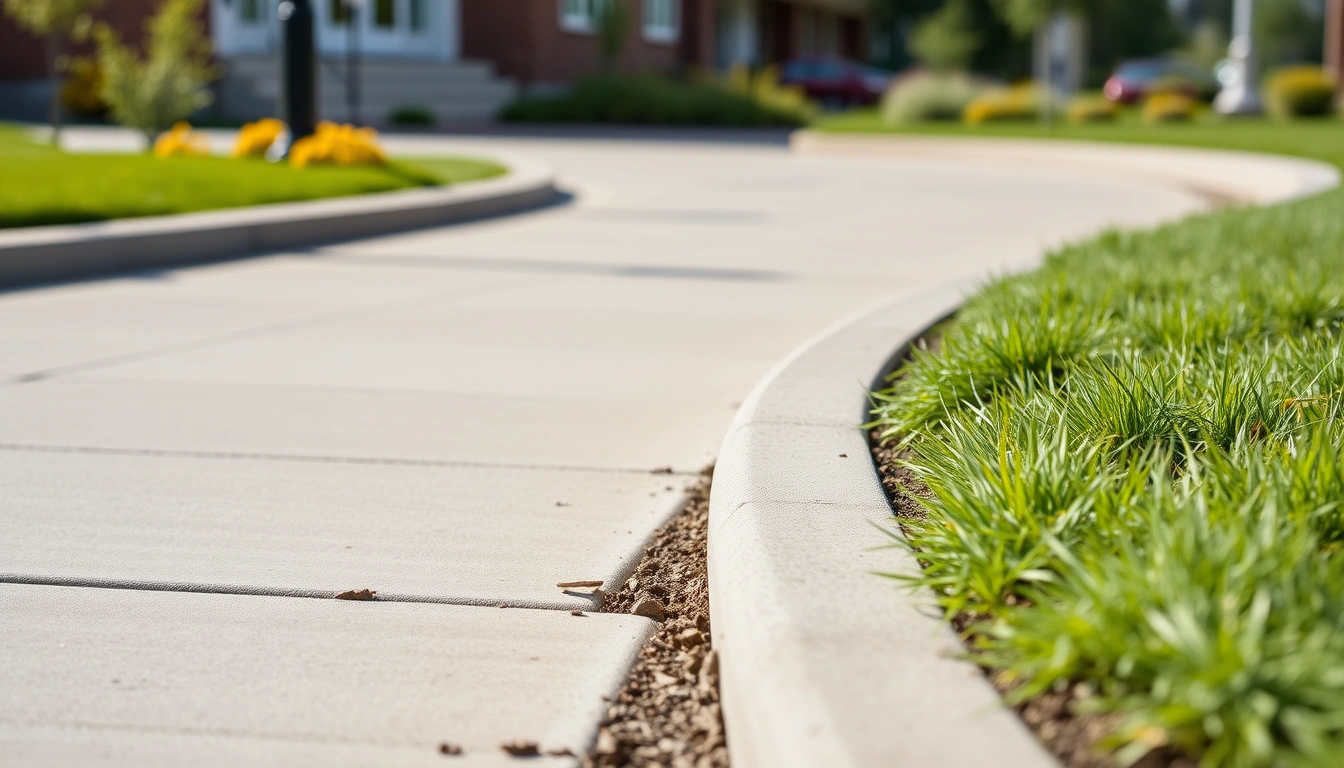
Knowing the method costs is useful, but the real question is how those costs apply to your specific panel. Fixing a raised sidewalk trip hazard costs $150–$625 per panel in most cases. The decision comes down to measuring displacement and probing the subbase — two steps that take ten minutes and determine which repair path is both compliant and cost-effective.
- Measure the vertical displacement. Use a straightedge and a tape measure. Lay the straightedge across both panels; measure the gap beneath it at the raised edge. Under ¼ inch: no ADA action required federally. Between ¼ and ½ inch: bevel required (typically $100–$200 per joint). Over ½ inch: full correction needed.
- Probe the subbase. Push a ½-inch steel rod into the soil through the gap at the panel edge. If it slides in more than 3 inches without resistance, there’s a void — lifting is the right call. Solid resistance means the slab heaved rather than sank; grinding or cutting is likely faster and cheaper.
- Check the expansion joint. Look at the joint between panels. If it’s packed with debris, roots, or hardened filler, thermal expansion has nowhere to go — that’s why one slab pushed up. Cleaning or re-cutting the joint is step one before any other repair.
- Get three quotes, but ask the right question. Don’t ask “how much to fix this?” Ask each contractor: “After your repair, will this panel pass ADA 302.1 for vertical change of level?” A contractor who can’t answer that question directly isn’t the right one for ADA trip hazard repair.
- Review the warranty terms. Mudjacking warranties commonly run 1–3 years. Polyurethane foam warranties from established contractors often run 5–10 years. Reviewing a concrete leveling warranty comparison before signing any contract can save significant money if the repair fails early.
- Document before and after. Photograph the displacement with a ruler in frame before repair. Photograph the finished surface with the straightedge showing a flush result. Good documentation protects you if an injury claim follows the repair.
A sidewalk panel displaced exactly ¾ inch can be made ADA-compliant for $150–$300 via grinding — no lifting required. Most property owners don’t know this because they skip the measurement step and go straight to quotes.
Why your sidewalk keeps lifting at the joints — and what actually stops it
Even after completing the steps above, some sidewalks re-heave within a season. That happens because the repair addressed the surface but not the cause. Sidewalks lift at the joints for three reasons, and only one of them responds to leveling alone. Understanding which one applies to your project determines whether the repair lasts two years or twenty.
Tree root intrusion
Tree roots seek moisture, and sidewalk joints are both a moisture source and a structural weak point. Once a root lifts a panel ½ inch, it will lift it further the following season — grinding or mudjacking buys time but doesn’t stop the growth. The only lasting fixes are root barriers installed at 18–24 inches depth, root pruning by a certified arborist, or full slab replacement with a root-resistant base. Sidewalk leveling methods can manage the immediate surface displacement, but they function as a maintenance strategy here, not a permanent solution.
Soil heave from freeze-thaw cycles
In USDA Hardiness Zones 5 and colder, water in the subbase freezes and expands — up to 9% volumetrically — lifting slabs from below. This frost heave is cyclical, and the repair timing matters. Panels that heave in winter sometimes settle back in spring, so committing to a leveling repair too early can mean the slab isn’t at its final resting point yet. Wait until the soil has fully thawed and stabilized — typically 4–6 weeks after the last hard freeze — before investing in any sidewalk leveling repair.
Subbase erosion and voids
Water washing through an open expansion joint erodes the compacted gravel subbase over months and years. The slab sinks into the resulting void, creating a step at the joint edge — the classic ADA trip hazard. This is the scenario where mudjacking or polyurethane foam lifting is the correct sidewalk leveling fix. The same erosion process applies to adjacent concrete structures; the mechanics of concrete leveling for garage floor settlement follow an identical diagnostic path and offer useful context for any void-related repair decision.
How to pick the right fix for your specific situation
With the causes clear, the final step is matching your specific conditions to the right repair. The right sidewalk leveling method depends on three variables: displacement height, subbase condition, and whether the cause is still active or was a one-time event. Use this matrix before calling any contractor.
| Displacement | Subbase condition | Cause | Recommended fix | Estimated cost |
|---|---|---|---|---|
| ¼–½ in | Solid | Historical/one-time | Bevel grind + joint repair | $150–$350 |
| ½–1.5 in | Void present | Erosion/settlement | Mudjacking or foam lifting | $200–$625 |
| ½–2 in | Solid (heave) | Tree roots/frost | Grind + root barrier or wait for thaw | $200–$700 |
| Over 2 in | Any | Any | Full panel replacement | $500–$2,500+ |
One honest mistake worth naming: property managers sometimes approve foam lifting on panels that turn out to have active root intrusion beneath them. The foam fills the void and holds for a year or more — then the root pushes the slab up again, this time with a foam-filled void that makes the next repair more complicated and significantly more expensive. Skipping the diagnostic step to save time almost always costs more in the end.
For a broader view of which lifting method fits which project type, the breakdown of concrete leveling methods compared covers performance differences across soil types and load scenarios in more depth than any single article can. If you’re also evaluating sidewalk leveling cost against trip hazard removal versus slab lifting as a long-term strategy, that comparison is worth reading before committing to a contractor.
- Sidewalk leveling cost runs $3–$25/sq ft depending on method — but for trip hazards under 1.5 inches on stable soil, grinding at $150–$400 per panel is often the cheapest ADA-compliant fix.
- The ADA trip hazard threshold is exactly ½ inch vertical displacement — measuring first determines whether you need a $200 grind or a $600 lift.
- Expansion joint repair ($4–$12/linear ft) should accompany any leveling job; skipping it is the primary cause of repeat heaving.
- ADA civil penalties can reach $75,000 for a first violation — making prompt, documented repair one of the clearest ROI decisions in property maintenance.
Common questions about sidewalk leveling cost
Related: concrete leveling for sandy soil
Related: polyurethane concrete lifting lifespan
Related: expansive clay settlement
Related: concrete leveling cost statistics
Related: slab replacement threshold
Related: contractor license check

Related Posts
Cost to fix uneven basement floor
Concrete leveling financing options: what works in 2026