“`html
Concrete leveling free estimate: what to expect at your visit
⏱️ 7 min read · Last updated: 2026
- Estimate visit duration: commonly 20–45 minutes on-site, depending on the number of slabs assessed.
- Slab drop measurement: technicians measure vertical displacement using a 4-foot level and tape measure; a drop of ½ inch or more typically qualifies as a trip hazard requiring repair.
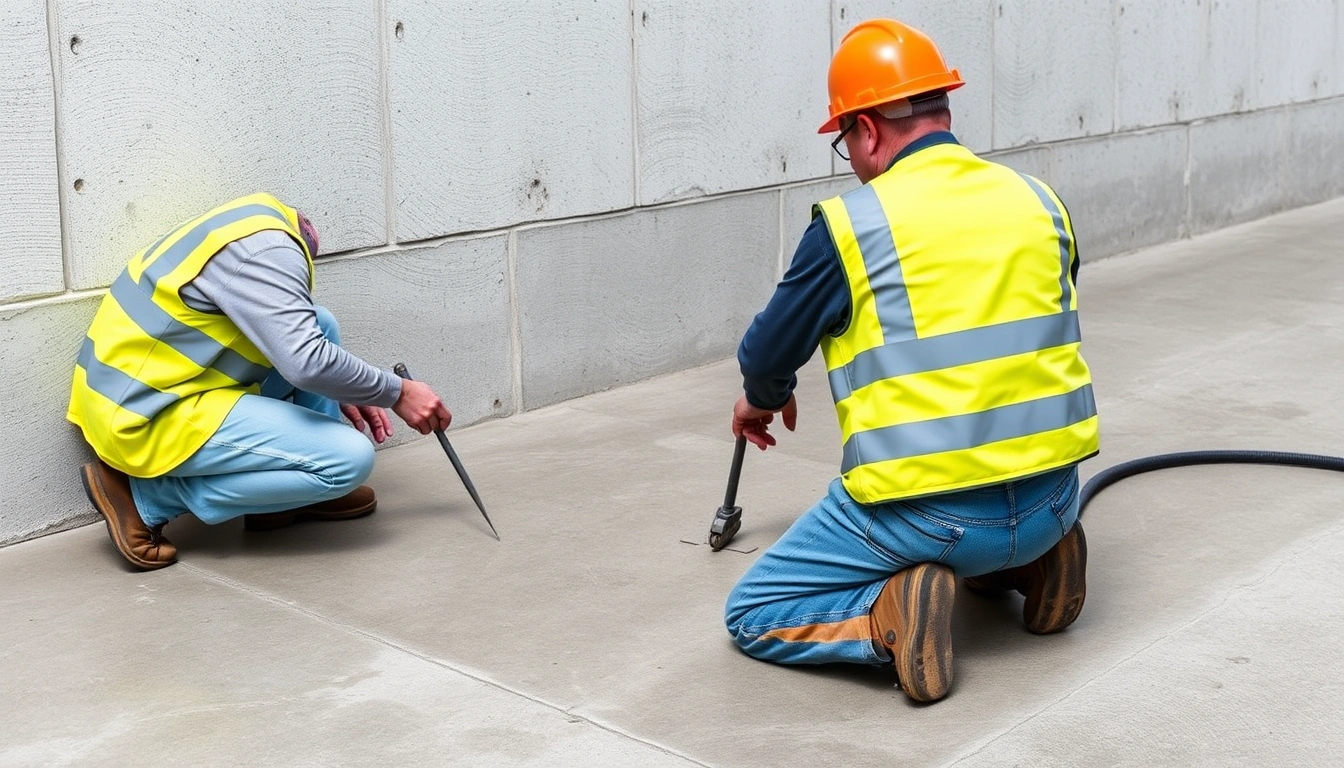
- Void probing method: a steel probing rod or hollow-sounding hammer tap identifies subsurface voids beneath the slab before injection points are marked.
- Quote turnaround time: most reputable contractors deliver a written estimate within 24–48 hours of the site visit.
- Cost of the estimate itself: in 2026, the overwhelming majority of concrete leveling contractors offer free on-site estimates — paying for an estimate is uncommon and worth questioning.
When a driveway slab drops half an inch, the gap looks minor from the street. Up close, it tells a different story. Scheduling a concrete leveling free estimate is the right first step — but knowing what a thorough visit looks like versus a rushed sales call makes all the difference in what you get out of it.
That difference — between a rushed visual scan and a real structural assessment — is exactly what understanding a concrete leveling free estimate helps you spot before you sign anything. The steps are knowable. The red flags are visible. Here is what a thorough estimate visit actually looks like, from the moment the technician pulls up to the moment your written quote lands in your inbox.
What should I expect during a free concrete leveling estimate?
A concrete leveling free estimate is a structured site assessment, not a handshake and a ballpark number. A qualified technician walks the affected areas, measures how far each slab has dropped, checks for subsurface voids, and identifies where polyurethane foam injection or mudjacking ports would need to go. The whole visit typically runs 20 to 45 minutes for a single driveway or patio.
The visit breaks down into four distinct phases: visual inspection, slab drop measurement, void probing, and injection point marking. A contractor who skips any of those phases — especially probing — is pricing from the surface, which usually means the quote is either too low (and will creep up) or too high (and not justified by what is actually wrong).
You should also expect the technician to ask a few questions: how long the slab has been sinking, whether the drop appeared suddenly or gradually, and whether water pools near the area. Sudden drops can signal a larger void or compromised sub-base, which changes the repair approach entirely. Those answers directly shape everything that follows.
How does a contractor measure how much my slab has sunk?
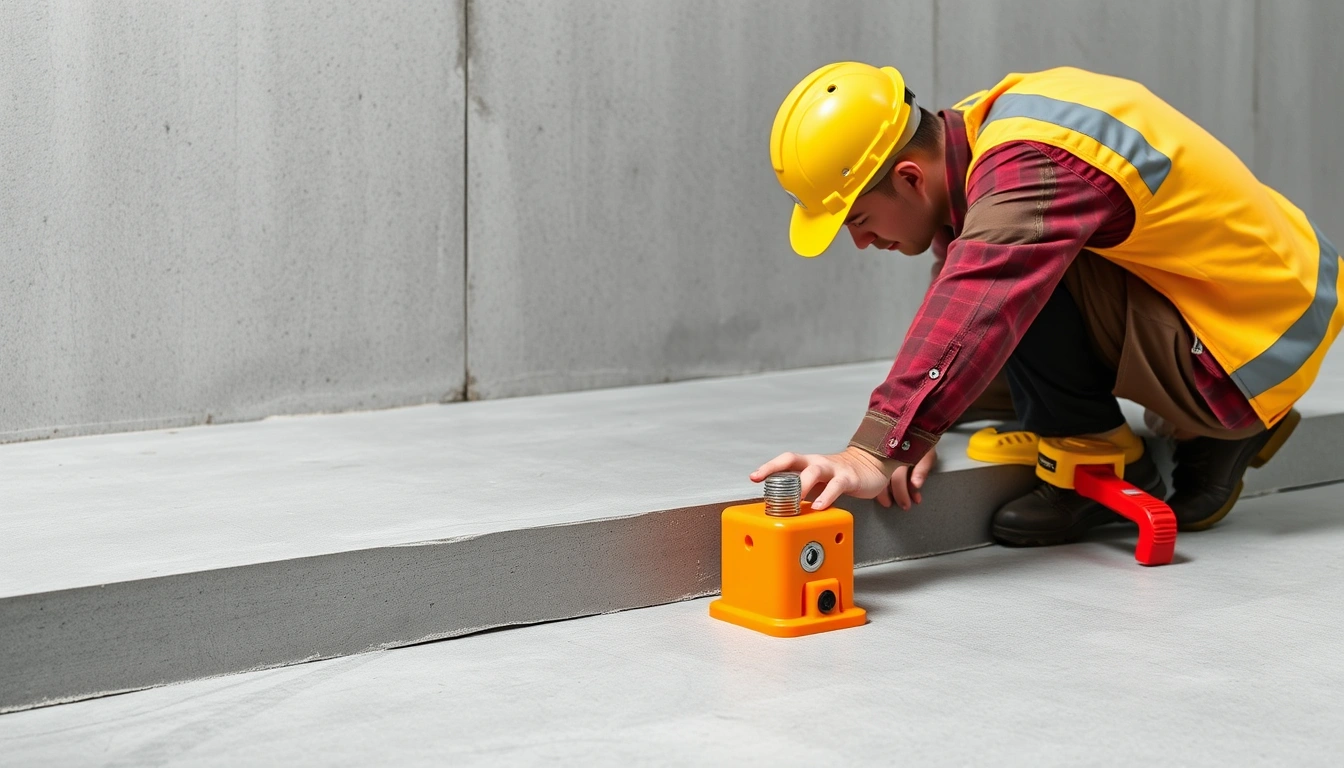
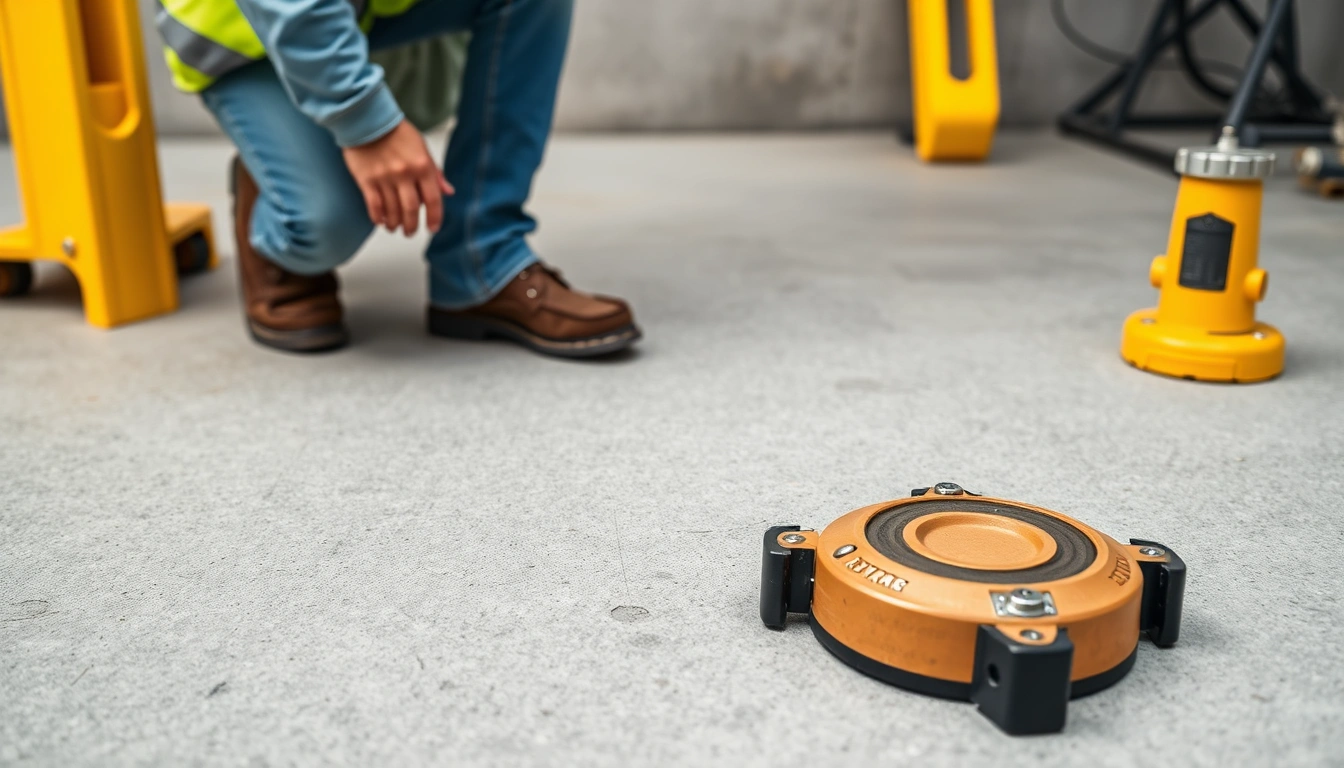
Once the technician has a clear picture of the problem area, the next step is getting an exact number. Slab drop depth is measured by placing a 4-foot level flat across the settled slab and the adjacent stable surface, then measuring the gap at the low end with a tape measure or a feeler gauge. This gives a precise vertical displacement reading — the actual number in inches that the slab has fallen relative to its original position.
Most technicians record measurements at multiple points along each slab panel, not just at the most visible corner. A slab that reads ¾ inch low at the leading edge might be 1¼ inches low at its center — a detail that matters for calculating how much foam volume or grout is needed to restore level.
Common slab drop measurement tools used in 2026
| Tool | What it measures | Accuracy |
|---|---|---|
| 4-foot spirit level + tape measure | Vertical gap between slabs | ±1/16 inch |
| Digital level / slope meter | Degree of tilt across slab surface | ±0.1° |
| Feeler gauge set | Fine-resolution gap measurement | ±1/32 inch |
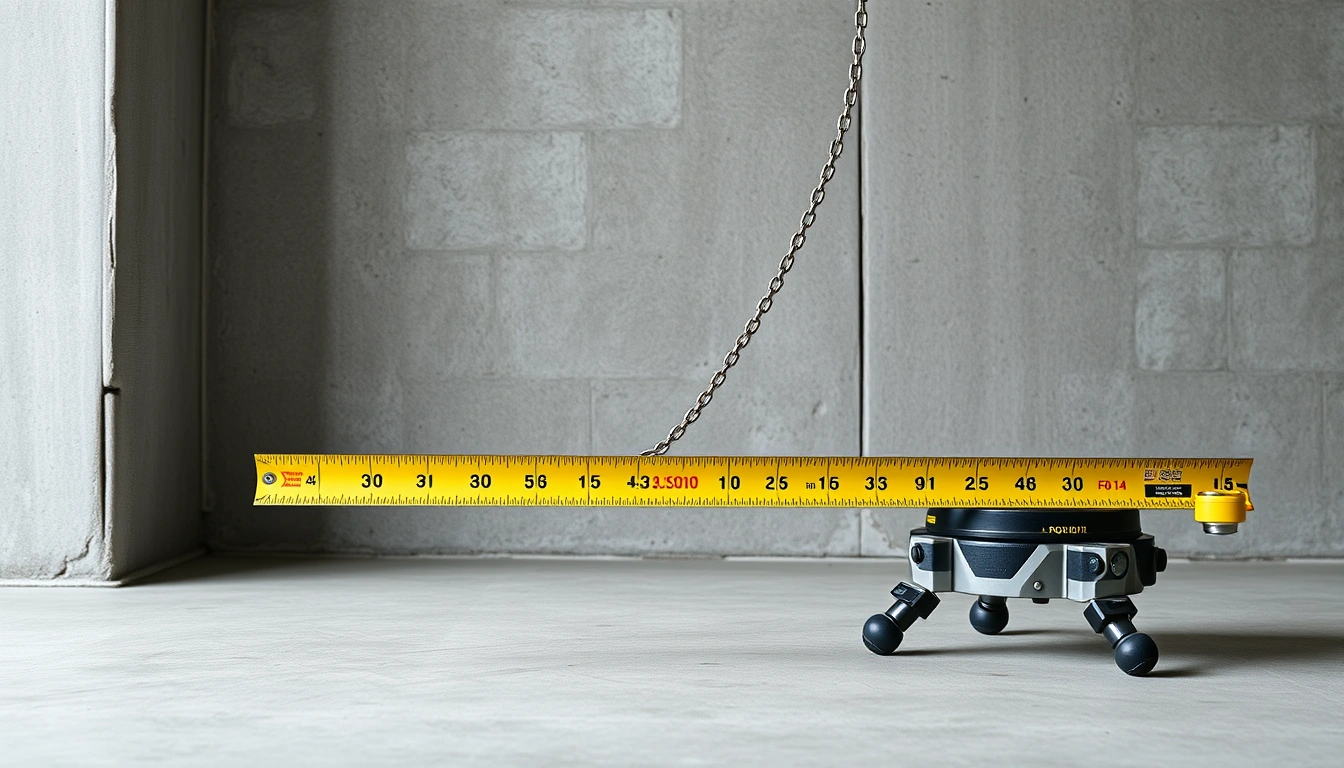
| Laser level (tripod-mounted) | Elevation across multiple slabs | ±1/8 inch over 30 ft |
The threshold that most contractors — and the Americans with Disabilities Act — treat as an actionable trip hazard is a vertical displacement of ½ inch or more. Below that threshold, repair is still advisable for drainage or cosmetic reasons, but above ½ inch the slab is a genuine liability. A contractor who never mentions this threshold during the estimate is worth pressing on it.
A slab drop of ½ inch or greater meets the commonly cited ADA trip hazard threshold — any estimate for a public-adjacent surface (driveway apron, sidewalk, patio near entry) should reference this measurement explicitly.
For context on how these measurements affect what you pay, the concrete leveling cost guide breaks down pricing by slab type, drop severity, and region — useful reading before your estimate appointment.
Void probing: the step most estimates skip
Knowing the surface drop is only half the picture. What sits beneath the slab determines how much material the repair actually needs — and that requires probing. Void probing is the process of testing what is beneath a settled slab before any repair work begins. A technician uses a steel probing rod — typically 18 to 24 inches long and about ½ inch in diameter — to push through soft soil at the slab edges, or uses a hammer to tap the slab surface and listen for the hollow resonance that signals an unsupported section.
This step is where thorough estimates separate themselves from quick sales visits. Without knowing the size and location of subsurface voids, a contractor cannot accurately calculate how much polyurethane foam or mudjacking slurry the job requires. Skipping this step is the most common reason homeowners receive a low initial quote that inflates on the day of repair.
What void probing looks like in practice
- Edge insertion: The technician pushes the probe rod into the soil along the slab’s sunken edge, feeling for resistance. Solid resistance at 2–4 inches means the sub-base is intact. Easy penetration to 8–12 inches indicates a significant void or washout zone.
- Hammer tap survey: A firm tap with a rubber mallet across a 12-inch grid pattern on the slab surface. A dull, hollow sound flags unsupported concrete — the key sign is the technician pausing and tapping the same spot twice, listening carefully.
- Corner and joint focus: Voids form most often at the low corner and along expansion joints where water infiltration is highest. A thorough technician checks every joint, not just the most obviously settled area.
- Depth estimation: Where the probe penetrates easily, the technician notes the approximate depth. Voids deeper than 6 inches may require more foam volume and can affect the final quote by 20–40%.
- Documentation: Results are sketched or photographed, marking void zones on a diagram of your slab layout. If you do not see this happening, ask for it.
- Structural integrity check: The technician checks for cracks that run the full depth of the slab — a fracture pattern that means the slab may shift during injection and may need stabilization before leveling.
How injection point marking actually works
With the void map complete, the technician can place marks that reflect what is actually happening under your slab. Injection point marking is the final physical step of the estimate visit — the technician uses chalk, paint, or a marker to show exactly where drill holes will be placed during the repair. These marks tell you and the repair crew the planned injection grid, and they are a direct reflection of the void findings from probing.
For polyurethane foam injection, drill holes are typically 5/8 inch in diameter and spaced 3 to 4 feet apart in a grid pattern. The placement logic matters — holes should concentrate toward the low end of the slab and along void zones found during probing, not spread evenly for convenience.
Injection point placement — what correct vs. incorrect looks like
| Scenario | Correct approach | Red flag approach |
|---|---|---|
| Corner drop, void confirmed beneath | Two injection points within 18 inches of the low corner | Single central point only |
| Uniform slab settlement across full panel | Grid pattern, 3-ft spacing, edges included | Two holes at center, no edge coverage |
| Large void (probe penetrates 10+ inches) | Closer spacing (2 ft) over void zone, noted in quote | Standard spacing with no void notation |
| Slab near garage foundation | Points kept 6 inches from foundation edge to prevent pressure transfer | Points placed directly against foundation |
Curious how injection method selection changes cost? The differences between foam injection and mudjacking — including which works better for specific slab conditions — are covered in detail in this concrete leveling methods compared breakdown.
What separates a thorough estimate from a sales visit
Now that you know what each phase of the estimate involves, you can spot the difference between a contractor doing the work and one going through the motions. A thorough concrete leveling estimate produces documentation you can verify later, while a sales visit produces a number the rep wants you to sign before they leave. The difference shows up in a few specific behaviors during the visit.
A thorough technician measures and records slab drop at multiple points — not just the worst corner. They probe for voids rather than assuming sub-base condition from the surface. Their injection point marks match the void locations they found, not a standard template. And they give you time to review the quote before asking for a commitment.
Estimate quality checklist
- Technician brought a level and took more than one measurement per slab
- Probed with a rod or hammer-tapped the slab surface across the full panel
- Marked injection points with chalk or paint before leaving
- Noted any cracking patterns that might affect the repair outcome
- Gave a realistic timeline, not a same-day pressure close
- Offered a written, itemized quote rather than a verbal round number
If you are having a garage floor assessed, the settlement pattern there often differs from exterior slabs because of vehicle load concentration and enclosed drainage conditions. The specifics of concrete leveling for garage floor settlement are worth reviewing before that conversation.
What happens after the technician leaves
Once the on-site work is done, the process shifts to paperwork — and the quality of that paperwork tells you a lot about the contractor. Most companies deliver a written quote within 24 to 48 hours, either by email or through an online portal. The quote should itemize square footage or slab count, estimated foam or grout volume, the number of injection points, and total labor cost — not just a single project total.
If the quote arrives as a single-line price with no breakdown, ask for the line items before signing. A reputable contractor can explain what drives each cost. A quote without detail makes comparing bids between contractors nearly impossible.
What a written estimate should include
- Slab identification: Which specific slabs or sections are included (driveway apron, walkway panel 2, patio north section, etc.)
- Slab drop depth per section: The recorded measurement from the visit — this confirms the technician actually measured
- Void findings: A note on whether voids were detected and their approximate extent
- Injection method: Whether polyurethane foam injection or mudjacking is proposed, and why
- Number of injection points: A specific count, not “as needed”
- Material volume estimate: For foam, this is typically in board feet; for mudjacking, in cubic feet of slurry
- Labor and total cost: Clearly separated if possible
- Warranty terms: What is covered, for how long, and under what conditions
For driveways specifically, the final quoted number depends heavily on lineal footage and how many individual slab panels have settled — factors that directly feed into a driveway leveling cost estimate for your region.
In most cases, a written concrete leveling estimate delivered within 48 hours is the industry standard in 2026 — if a contractor takes more than five business days without explanation, that delay often reflects organizational issues that extend to the repair itself.
Key takeaways
- A concrete leveling free estimate visit should take 20–45 minutes and include measurement, void probing, and injection point marking — not just a visual scan.
- Slab drop depth of ½ inch or more is the standard trip hazard threshold; any estimate should document the exact measurement per slab panel.
- Void probing — either with a steel rod or hammer-tap method — is the most commonly skipped step and the most important one for accurate pricing.
- A written, itemized quote within 24–48 hours is normal in 2026; a single-line number with no breakdown is worth questioning before you sign.
Common questions about concrete leveling free estimate what to expect
What is included in a free concrete leveling estimate in 2026?
A thorough free estimate includes on-site slab drop measurement with a level and tape measure, void probing with a steel rod or hammer-tap method, injection point marking, and a written quote delivered within 24–48 hours. No reputable contractor charges for this visit in 2026.
How is slab settlement measured step by step during an estimate?
The technician places a 4-foot level across the settled slab and the adjacent stable surface, then measures the gap at the low end with a tape measure or feeler gauge. Measurements are taken at multiple points per slab panel — edge, center, and low corner — to capture the full drop profile.
Is an in-person estimate more accurate than a remote photo-based estimate?
Yes, significantly. A photo-based estimate cannot detect subsurface voids or accurately measure slab drop depth. Remote quotes are reasonable for initial ballparks but should never be the basis for a signed contract — void probing alone can change a quote by 20–40%.
Why do some contractors skip void probing during the estimate?
Most commonly because the estimator is a salesperson, not a technician. Some companies use probing as an upsell trigger on repair day rather than an assessment tool. If your estimate visit takes under 15 minutes and no probing occurs, request a second opinion before committing.
{“@context”: “https://schema.org”, “@graph”: [{“@type”: “Organization”, “name”: “stableslabsolutions.com”, “url”: “https://stableslabsolutions.com”, “knowsAbout”: “Concrete Leveling Cost Guide by Project and Region”}, {“@type”: “Article”, “headline”: “Concrete Leveling Free Estimate: What to Expect at Your Visit”, “description”: “Concrete leveling free estimate what to expect — learn how pros measure slab drop, probe voids, and mark injection points. Book yours confidently.”, “datePublished”: “2026-07-11T00:33:21.869237”, “dateModified”: “2026-07-11T00:33:21.869237”, “mainEntityOfPage”: {“@type”: “WebPage”, “@id”: “https://stableslabsolutions.com”}, “author”: {“@type”: “Organization”, “name”: “stableslabsolutions.com”}, “publisher”: {“@type”: “Organization”, “name”: “stableslabsolutions.com”, “url”: “https://stableslabsolutions.com”}}, {“@type”: “FAQPage”, “mainEntity”: [{“@type”: “Question”, “name”: “What is included in a free concrete leveling estimate in 2026?”, “acceptedAnswer”: {“@type”: “Answer”, “text”: “A thorough free estimate includes on-site slab drop measurement with a level and tape measure, void probing with a steel rod or hammer-tap method, injection point marking, and a written quote delivered within 24–48 hours. No reputable contractor charges for this visit in 2026.”}}, {“@type”: “Question”, “name”: “How is slab settlement measured step by step during an estimate?”, “acceptedAnswer”: {“@type”: “Answer”, “text”: “The technician places a 4-foot level across the settled slab and the adjacent stable surface, then measures the gap at the low end with a tape measure or feeler gauge. Measurements are taken at multiple points per slab panel — edge, center, and low corner — to capture the full drop profile.”}}, {“@type”: “Question”, “name”: “Is an in-person estimate more accurate than a remote photo-based estimate?”, “acceptedAnswer”: {“@type”: “Answer”, “text”: “Yes, significantly. A photo-based estimate cannot detect subsurface voids or accurately measure slab drop depth. Remote quotes are reasonable for initial ballparks but should never be the basis for a signed contract — void probing alone can change a quote by 20–40%.”}}, {“@type”: “Question”, “name”: “Why do some contractors skip void probing during the estimate?”, “acceptedAnswer”: {“@type”: “Answer”, “text”: “Most commonly because the estimator is a salesperson, not a technician. Some companies use probing as an upsell trigger on repair day rather than an assessment tool. If your estimate visit takes under 15 minutes and no probing occurs, request a second opinion before committing.”}}]}, {“@type”: “BreadcrumbList”, “itemListElement”: [{“@type”: “ListItem”, “position”: 1, “name”: “Home”, “item”: “https://stableslabsolutions.com”}, {“@type”: “ListItem”, “position”: 2, “name”: “Concrete Leveling Cost Guide by Project and Region”}, {“@type”: “ListItem”, “position”: 3, “name”: “Concrete Leveling Free Estimate: What to Expect at Your Visit”}]}]}
See also: concrete leveling cost guide
See also: driveway leveling cost estimate
See also: concrete leveling methods compared
Related: patio leveling cost
Related: foam lifting durability
Related: concrete leveling cost by region

Related Posts
Cost to fix uneven basement floor

Concrete leveling financing options: what works in 2026