“`html
Patio leveling cost: real prices for slabs, pavers, and pool decks in 2026
⏱️ 8 min read · Last updated: 2026
- Poured slab patio leveling: $3–$25 per square foot depending on method — mudjacking on the low end, polyurethane foam injection on the high end.
- Pool deck leveling total range: $800–$3,500 for a typical 150–300 sq ft deck; pool-adjacent access surcharges add $150–$400 per job.
- Paver patio re-leveling: $4–$12 per square foot for resetting and re-sanding; full removal and relay runs $10–$20 per sq ft.
- Polyurethane foam injection cures in 15 minutes and supports traffic the same day; mudjacking requires 24–48 hours of cure time.
- Access surcharge: Pool equipment, fencing, and landscaping obstacles commonly add $150–$400 to any pool deck leveling job in 2026.
A contractor quoted my neighbor $2,200 to replace her sunken back patio. A second contractor showed up with a foam rig and fixed it in 90 minutes for $780. Same problem, wildly different solutions — and the only way she found the cheaper one was by knowing what questions to ask about patio leveling cost before anyone showed up.
The problem with most pricing guides is that they treat all patios the same. A poured concrete slab, a pool deck, and a paver patio are three completely different jobs with different materials, different failure modes, and different cost structures. Lumping them together is why people overbuy — or worse, underbuy and watch the same slab sink again in two years. This guide breaks each surface type down separately so you know exactly which category applies to your situation.
Poured slab vs. paver patio: the cost difference that actually matters
Poured concrete slabs and paver patios sink for different reasons, which is why patio leveling cost differs significantly between them — not just in price per square foot, but in what you’re actually paying for. A poured slab sinks as one connected piece; pavers shift individually. That changes the entire repair approach.
For a poured slab, contractors inject material beneath the concrete to lift and stabilize it. For a paver patio, the fix is mechanical: pull the affected pavers, regrade the compacted base, reset the pavers, and re-sand the joints. Labor-heavy work, but it doesn’t require foam or slurry at all. The table below shows how those differences translate into real patio leveling costs in 2026.
| Surface type | Typical method | Cost per sq ft (2026) | Cure/downtime |
|---|---|---|---|
| Poured concrete patio | Polyurethane foam injection | $8–$25 | 15–30 min |
| Poured concrete patio | Mudjacking | $3–$8 | 24–48 hours |
| Paver patio | Reset and re-sand | $4–$12 | Same day |
| Paver patio | Full removal and relay | $10–$20 | 1–3 days |
One thing most guides skip: the condition of the sub-base matters enormously for paver patio re-leveling cost. If the compacted gravel base has washed out or eroded — common near downspout discharge points — resetting the pavers without fixing the base just means you’re doing it again in 18 months. Good contractors will quote base repair separately. Budget an additional $2–$5 per sq ft if base replacement is needed.
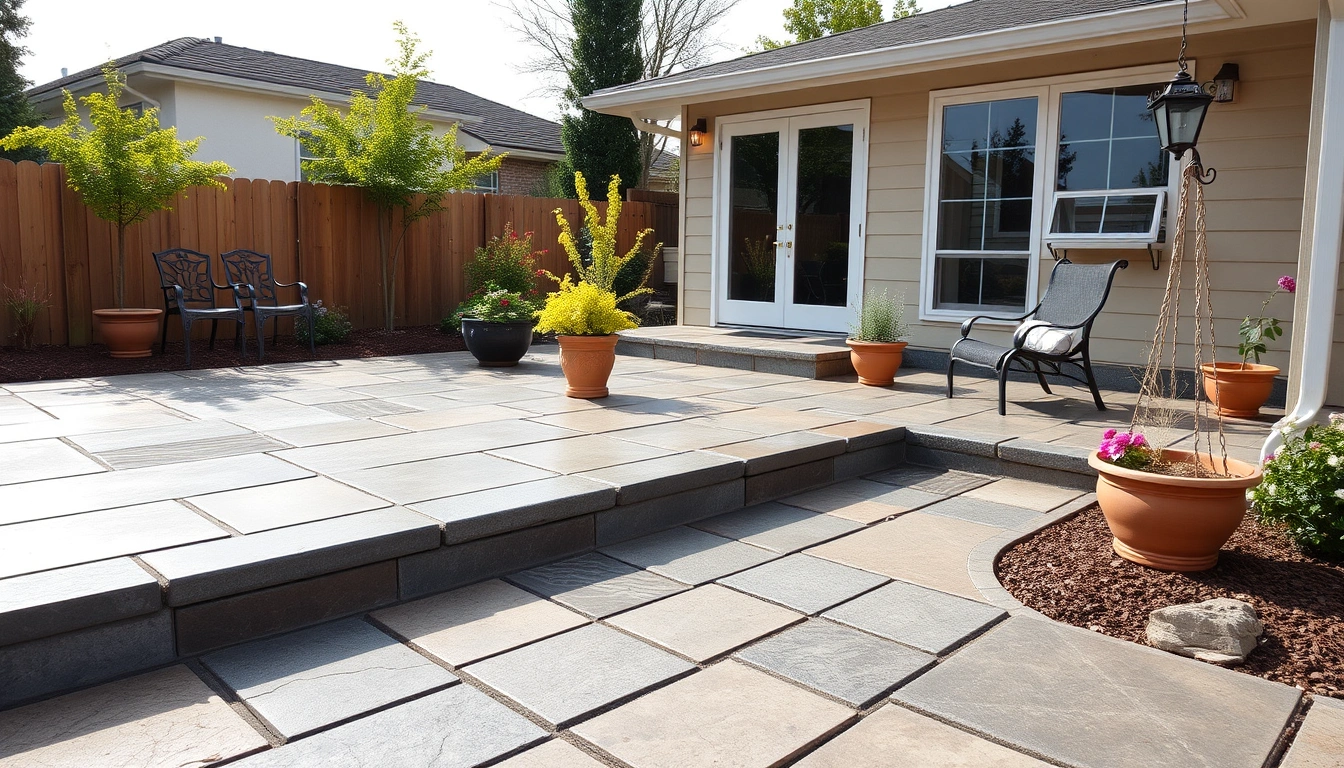
How much does it cost to level a sinking pool deck?
Moving from standard patios to pool decks, the patio leveling cost picture shifts considerably. Pool deck leveling costs $800–$3,500 for a typical 150–300 sq ft deck in 2026, making it the most expensive patio leveling category per job — not because the material cost is higher, but because of access, liability, and the precision required near water. A pool deck that gets over-lifted by even half an inch can direct water toward the pool rather than away from it, which creates a drainage problem worse than the original settlement.
The settlement pattern on pool decks is also different from interior patios. Pool decks sink because the soil directly next to pool walls gets saturated repeatedly — from splashing, backwash discharge, and poor drainage — and loses its load-bearing capacity. This is called soil washout settlement, and it tends to be localized in 2–4 ft zones right at the coping edge. That concentrated damage in a small area is one reason pool deck jobs cost more per square foot even when total square footage is modest.
Pool deck leveling near the coping edge requires sub-inch precision — an over-lift of 0.5 inches redirects surface drainage toward the pool and can void the pool contractor’s warranty on the coping seal.
Polyurethane foam injection (also called slab lifting or foam jacking) is the standard recommendation for pool decks — not because it’s cheaper, but because it offers controllable, incremental lift. Operators inject small amounts, check the grade with a level, and inject more if needed. Mudjacking is harder to control at that precision level and adds significant weight, which can stress the pool shell if the deck panels sit close to the bond beam.
Mudjacking vs. polyurethane foam: where the price gap comes from
Whether you’re leveling a pool deck or a standard patio slab, method choice is the single biggest driver of patio leveling cost. The price difference between mudjacking and polyurethane foam injection is real and significant — roughly 2–3x per square foot — but the gap is justified in specific situations and not in others.
Mudjacking (also called slabjacking) pumps a cement-soil slurry beneath the slab through 1.5–2 inch holes drilled every 2–3 feet. It’s heavy, it takes 24–48 hours to cure, and the holes it leaves are visible. But it costs $3–$8 per sq ft and has a 50+ year track record. For large flat patios on stable soil with no access restrictions, it is often the smarter spend.
Polyurethane foam injection uses expanding foam injected through penny-sized holes. The foam cures in 15 minutes, the slab can take foot traffic the same day, and the material is water-resistant — meaning it won’t wash out the way a mudjacking slurry can in wet conditions. It costs more because the material itself is more expensive and the equipment is specialized. For a full mudjacking vs. polyurethane foam cost comparison — including scenarios where each method wins — that breakdown is worth reading before you book.
| Factor | Mudjacking | Polyurethane foam |
|---|---|---|
| Cost per sq ft | $3–$8 | $8–$25 |
| Cure time | 24–48 hours | 15–30 minutes |
| Drill hole size | 1.5–2 inches | 5/8 inch |
| Water resistance | Low (can erode) | High (waterproof) |
| Weight added | Significant | Minimal |
| Best for | Large flat slabs, dry conditions | Pool decks, tight access, wet soil |
The access surcharge nobody mentions until you get the invoice
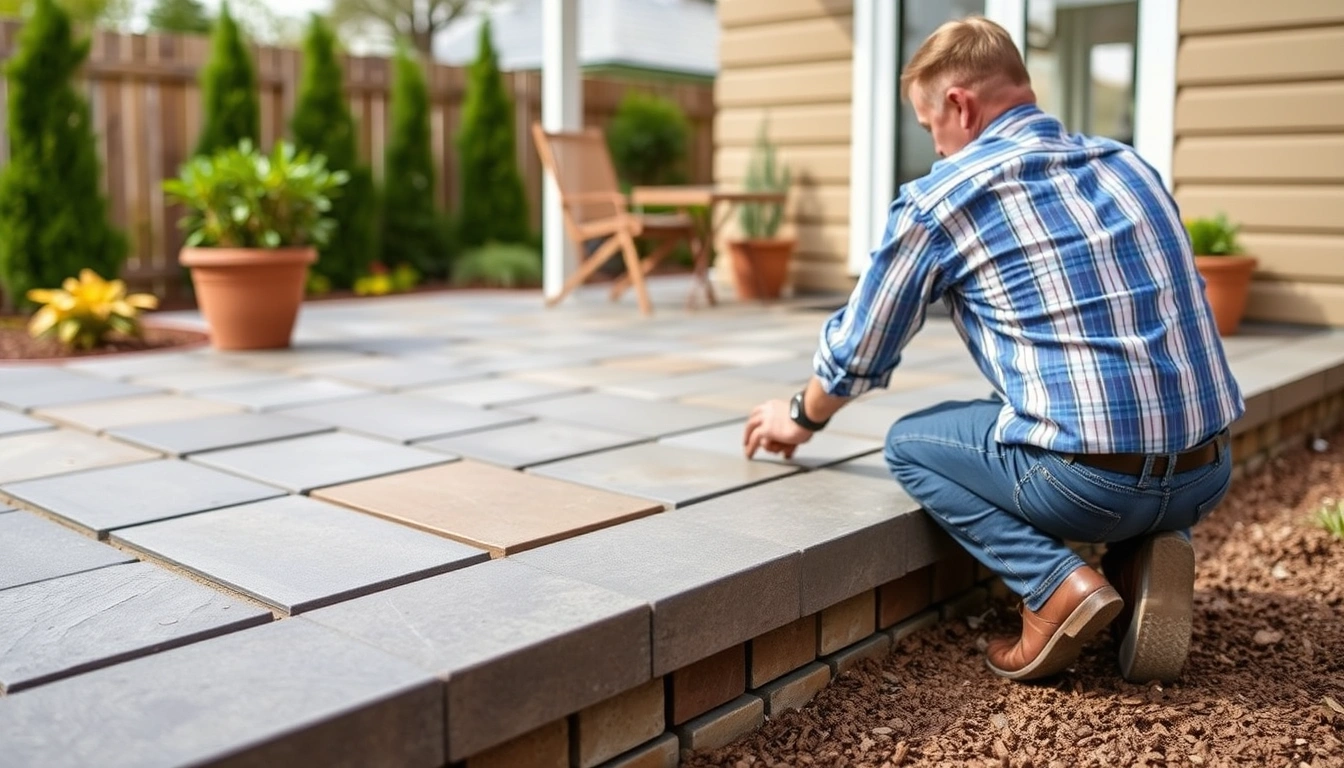
Regardless of which method applies to your patio, one cost factor cuts across all three surface types: the access surcharge. Pool deck leveling — and any patio leveling where equipment access is limited — commonly carries a surcharge of $150–$400 that most published price guides ignore entirely. Asking about it before work starts is how you avoid a surprise on the invoice.
Concrete leveling rigs are large. The hose from the truck to the injection point is typically 50–150 feet long. When a privacy fence, pool equipment pad, landscaping beds, or a gate narrower than 36 inches stands between the truck and the work area, the crew spends extra setup time rerouting hose, hand-carrying equipment, or using a smaller secondary rig. That time and complexity get billed.
The situations that most commonly trigger surcharges:
- Pool equipment (pump, filter, heater) positioned along the access path
- Gates narrower than 36 inches — most foam rigs need at least 30 inches clearance
- Landscaping or garden beds between the truck parking point and the patio
- Elevated decks where injection requires working at an angle rather than vertically
- Work areas more than 150 feet from where the truck can park
A good contractor will walk the access route during the estimate and flag any of these conditions. If they don’t, ask directly: “Is there any access condition on this job that would add to the base price?” Getting that answer before signing is how you avoid the surprise line item. Knowing what a concrete leveling free estimate actually covers — and doesn’t cover — makes that conversation much easier to have.
Is leveling a paver patio cheaper than a poured slab?
With the access and method variables in mind, it’s worth looking closely at how paver patio leveling compares on overall cost. Usually it’s cheaper — but the honest answer is that paver patio re-leveling is cheaper only when the sub-base is intact. When it isn’t, the total patio leveling cost can exceed a comparable poured slab repair by 30–50%.
A paver reset on a stable base runs $4–$12 per sq ft. The crew lifts the sunken pavers, adds or redistributes the bedding sand, re-levels, resets the pavers, and sweeps in fresh polymeric sand to lock the joints. On a 150 sq ft section, that’s $600–$1,800 — often done in a single day with no cure time required.
But if the problem is a failed compacted gravel base — which happens when water infiltrates the joints over years and washes out the material — then the pavers have to come off, the base has to be dug out, recompacted, and replaced, and then everything goes back. That process runs $10–$20 per sq ft and takes 1–3 days. Suddenly the “cheap” paver option costs as much as replacing the whole patio.
Paver patio re-leveling costs $4–$12 per sq ft when the base is sound — but climbs to $10–$20 per sq ft when base reconstruction is required, which is the case in roughly 30–40% of paver settling complaints near downspouts or drainage problem areas.
The diagnostic test: after a heavy rain, check whether water pools on the pavers or drains through the joints. If it pools and takes more than 10 minutes to clear, the base is likely compromised and a simple reset won’t hold. This quick check can save you from paying $800 for a repair that fails in one season.
When patio leveling fails — and what it signals about the real problem
Even when patio leveling is priced and executed correctly, it can fail if the root cause of sinking is left in place. Patio leveling fails — meaning the slab sinks again within 1–3 years — when the underlying cause of settlement isn’t addressed alongside the lift. The repair only holds as long as the soil beneath it does.
The four most common reasons a leveled patio re-settles:
- Active water infiltration: Downspouts, irrigation heads, or poor surface grading are still directing water beneath the slab. The soil keeps getting wet and losing density. Fix the drainage first — or the foam or slurry is just buying time.
- Organic fill material: Some older homes were built on fill that included topsoil, wood debris, or compacted grass. Organic fill keeps decomposing and compressing over time. Foam can lift it temporarily, but the fill keeps settling beneath the foam.
- Inadequate void filling: If a contractor injects foam too quickly or in too few locations, gaps remain under the slab. The slab lifts where it was injected, but the unsupported sections sink later. This is especially common in DIY foam injection attempts.
- Tree root activity: Roots displace soil sideways as they grow, creating subtle undulation rather than uniform settlement. Leveling a root-affected slab without addressing the tree is one of the more expensive mistakes in this category.
If a patio has been leveled before and is sinking again, get a soil probe done before committing to another lift. Some contractors offer this as part of the estimate process — it takes 10 minutes and can change the recommendation entirely. The broader concrete leveling cost guide covers how soil conditions affect pricing across all project types, which is useful context if you’re dealing with recurring settlement.
What to ask before you book anyone
Now that you understand how patio leveling cost varies by surface type, method, and site conditions, the next step is getting quotes you can actually compare. Getting three quotes is the standard advice, and it’s correct — but only if you ask each contractor the same questions so you’re comparing the same scope of work.
- What specifically is causing the settlement? A contractor who can’t answer this — or gives a vague answer about “soil erosion” without elaborating — hasn’t diagnosed the job. The cause should be specific: water infiltration from a particular source, organic fill, root activity, and so on.
- What method are you using, and why is it right for this situation? The method should match the problem. Foam near a pool, mudjacking on a large dry slab far from water. If they only offer one method, ask whether the alternative would work better here.
- Does this quote include the access surcharge? Ask directly. If there’s a gate, fence, landscaping, or pool equipment between their truck and your patio, make sure that complexity is priced in before you sign.
- What’s your warranty on re-settlement? Reputable contractors commonly offer 2–5 year warranties on foam injection. No warranty is a signal worth noting.
- Will you address the drainage issue, or just the lift? Some contractors note drainage problems in writing but exclude the fix from their scope. You need to know what’s included.
- What are the drill hole sizes, and how will they be patched? On decorative or stamped concrete, patch visibility matters. Foam’s smaller holes (5/8 inch) patch more cleanly than mudjacking’s 1.5–2 inch holes.
These questions apply whether you’re dealing with a sunken patio slab, a paver re-leveling job, or a pool deck — they just produce different answers depending on the scope. If you’re also weighing a full replacement, a driveway leveling cost estimate for a similar surface area gives you a useful per-square-foot benchmark for what professional concrete work costs in your region. And if you’re ready to move forward, you can request a free patio leveling estimate to get a site-specific number.
See also: concrete leveling cost guide
See also: driveway leveling cost estimate
See also: concrete leveling free estimate what to expect
Related: concrete leveling cost by region
Related: quote line items
Related: foam injection adoption

Related Posts
Cost to fix uneven basement floor
Concrete leveling financing options: what works in 2026